Hair growth feels slow, so it is easy to run after simple fixes. Drinking more water sounds like the easiest one, because your scalp is skin and skin needs moisture. In one study, the average daily water intake of adults was around 2,853 mL per day, and the researchers also found that higher total water intake was linked with better hydration of the superficial skin.
The Impact of Water Intake on Hair Growth
Your hair follicle is your tiny factory, which requires oxygen and nutrients in it. Water plays an essential role in your body such as distributing nutrients, maintaining circulation, and keeping your skin functioning normal. The most significant payoff from hydration for hair is reduced dryness. When the skin on the scalp becomes dehydrated it may become tight, itchy and flaky. And when hair gets dry it tangles up and snaps with ease.
If you are experiencing true shedding from the root, like clumps in the shower or wider parting, water is not going to be the solution. In those cases, think about stress, hormones, and thyroid health. Many people also ask does hair fall mean new hair growth when they notice changes, but often it is just a sign that the scalp environment needs more internal support.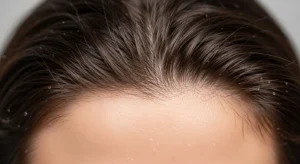
Distilled vs. Vitamin Water: Shortcuts or Myths?
While many people wonder if specialized options like distilled or vitamin water offer a secret shortcut to longer locks, the truth is usually found in basic nutrition. Distilled water is stripped of minerals, meaning it does not provide any extra benefits for your follicles, and vitamin water is often packed with sugars that might actually trigger scalp inflammation.
Vitamins sound helpful, but frequent sugary drinks can make it harder to stay within limits recommended by the Centers for Disease Control and Prevention. You are much better off sticking to mineral rich tap or filtered water. Some also wonder does milk really help hair growth as a hydration alternative, which can provide proteins that plain water lacks.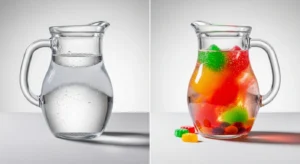
The Hidden Enemy: Hard Water
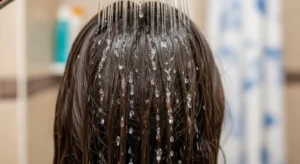
Hard water has higher levels of minerals like calcium and magnesium. Those minerals can interfere with lather and leave residue on the scalp and hair shaft. The result is often a coated feel, dullness, and more tangles. If you suspect hard water, look for these clues:
- Hair feels waxy or stiff even after washing.
- Shampoo feels hard to rinse out fully.
- Hair looks dull quickly after wash day.
- Scalp feels itchy or flaky soon after showering.
Is Tap Water Safe for Washing?
For the majority of people in the United States, public tap water is regulated, monitored, and must meet safety standards set by the U.S. Environmental Protection Agency. So in general, tap water is safe for bathing and washing the hair. However, safe does not necessarily mean ideal. If your water smells strong or you get frequent boil water notices, check your local report. Beyond safety, water temperature also affects scalp comfort: consistently washing with very hot water can worsen dryness over time.
Should You Buy a Water Softener?
A whole home softener can help if you have extremely hard water affecting everything, not just hair. But many people get relief with smaller steps first. If you are considering whether it is worthwhile to get a softener, these quick checks can guide your choice:
- Filter: best for a simple shower focused upgrade.
- Softener: best when hard water affects the whole home.
- Either way: pair it with gentle cleansing and good conditioning.
Dr. Boogies Hollywood Secret
Drinking water hydrates from within, but hair needs direct moisture locking to stay healthy. Dr. Boogie’s Bionic Hair and Scalp Oil helps restore weak strands and calm itchy scalps without heaviness. It is especially effective if your hair feels waxy due to hard water minerals.
Hydration Targets and Habits
A common guideline is about nine cups of fluids a day for women and about thirteen cups for men. To achieve this practical goal:
- Drink a glass of water when you wake up.
- Drink water with each main meal.
- Keep a bottle nearby and refill it once in the afternoon.
- If you choose a sweet drink, follow it with plain water.
Restore Balance & Lock In Moisture
Internal hydration supports the body, but Bionic Oil protects the strands. Give your scalp the professional-grade recovery it needs.
Conclusion
Drinking water facilitates hair health by supporting the scalp as well as decreasing the dryness that leads to hair breakage. It will not form new growth if shedding is caused by genetics, but it gives your hair a feeling of softness and less tangling. For the best results, also check your shower water. If hard water is causing buildup, use a filter and lock moisture with Bionic Scalp and Hair Oil from Dr. Boogie Secrets.