Sugaring has a way of making people hopeful. It feels cleaner than waxing, it leaves skin smooth for weeks, and many people notice the regrowth feels softer. After a few appointments, a very common thought pops up: maybe this is not just removing hair, maybe it is stopping it.
The truth is more balanced. Sugaring can make regrowth look finer for some people and it can keep you hair free longer than shaving, but it is not considered permanent hair removal. Cleveland Clinic notes that most sugaring treatments last about three weeks and that hair may grow back softer and thinner, especially when you do it regularly. Keep reading to see what sugaring can change, what it cannot, and how to get the smoothest results.
What Sugaring Is and How It Removes Hair
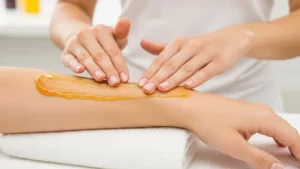
Sugaring removes hair from the root. A paste made from sugar, lemon juice, and water is applied to the skin and then removed in quick flicking motions that lift hair out. However, sugaring must be applied against hair growth and pulled off in the same direction the hair grows, which can reduce breakage for some people. Because the hair is removed from the root, you usually stay smooth longer than shaving, where stubble returns quickly.
How Hair Grows Back After Sugaring
Hair does not grow all at once. Every follicle is on its own timeline, which is why your first session may not catch everything and why regrowth can show up in waves. After sugaring, the follicle rebuilds the hair and slowly pushes it back up. Many people notice new growth around the three week mark, but it depends on the area, hormones, and genetics.
Why Regrowth Can Feel Faster Sometimes
Sometimes people swear the hair came back in a week and assume sugaring failed. Often, it is just timing. Sugaring only removes hair that is present above the surface and long enough to grip. Hair that was still under the skin can show up soon after, even though it was not available to remove during your appointment. That can make it look like you are regrowing fast, when really you are seeing different follicles take their turn.
Thinner or Slower Regrowth After Sugaring
Sugaring does not change how many follicles you have. What it can change is how the hair feels when it returns. Shaving cuts hair bluntly, so the tip feels sharp. Root removal lets hair regrow with a softer, tapered tip, so it can feel finer.
Healthline mentions that with regular appointments, hair may grow back slower over time. A common reason is consistency. When you remove hair on a steady schedule, regrowth can feel less constant and less dramatic.
Follicle Stress From Regular Sugaring Over Time
Pulling hair from the root can irritate the skin, especially if the technique is too aggressive. But irritation is not the same as permanent destruction. For most people, sugaring does not damage follicles enough to stop growth. In some people, repeated root removal over many years may seem to reduce density in small areas, but this is unpredictable and not something to rely on.
Permanent Hair Growth Stopping and the Honest Answer
Sugaring is temporary hair removal. If you want permanent results, electrolysis is the clearest standard. Cleveland Clinic states that electrolysis is the only FDA approved method for permanent hair removal.
Laser hair removal can offer long term reduction. The American Academy of Dermatology notes that over time laser can destroy the hair follicle and that hair tends to grow back thinner and finer after each treatment. Sugaring does not work the same way, so it cannot promise permanent stopping.
When Sugaring Reduces Regrowth and When It Does Not
Sugaring tends to feel most effective when you treat it like a routine. Regular sessions can reduce breakage and make regrowth feel smoother because you stay in synchronization with the cycle.
It tends to disappoint when you switch back and forth between shaving and sugaring. It also will not override hormone driven hair growth. If your hair growth pattern suddenly changes or becomes excessive, consider medical advice alongside your hair removal plan.
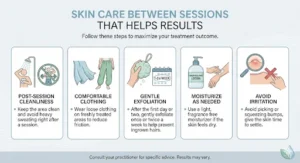
Skin Care Between Sessions That Helps Results
Better regrowth is often about better skin care. Calm skin lets hairs grow out normally, which helps you avoid in-growns and bumps that make regrowth feel worse.
Use the steps below as a simple guide for smoother skin between appointments.
• Keep the area clean and avoid heavy sweating right after a session
• Wear loose clothing on freshly treated areas to reduce friction
• After the first day or two, gently exfoliate once or twice a week to help prevent ingrown hairs
• Use a light, fragrance free moisturizer if the skin feels dry
• Avoid picking or squeezing bumps, give the skin time to settle
Conclusion
Sugaring does not permanently stop hair growth, but it can keep skin smooth for weeks and make regrowth feel softer when you stay consistent. The real secret to better results is not just the hair removal method, it is what you do between sessions, because calm, hydrated skin handles regrowth with less discomfort.
If you want smoother, more comfortable skin after sugaring, focus on barrier friendly hydration every day. Explore Dr. Boogie’s PURE Hand & Body Cream to relieve dryness, reduce tightness, and keep skin soft and healthy looking from head to toe.