Elderberry is more than a trend in the wellness world and is known as a nutrient dense berry. The University of Rochester Medical Center lists that 1 cup of raw elderberries contains about 52.2 mg of vitamin C and about 10.15g of dietary fiber. People love elderberry because it feels like a “strong” ingredient, and those numbers make it easy to see why it has a health halo around it.
But there is no formula for hair growth about adding one superfood to the diet. Elderberry may support hair quality indirectly if it assists with your general wellness routine, but undoubtedly isn’t a proven regrowth remedy on its own. Keep reading and we will explain where elderberry can genuinely help your hair and where expectations need to stay realistic.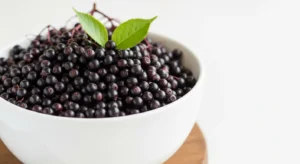
Elderberry’s Place in Modern Wellness and Hair Conversations
Elderberry is a blackberry purple that is commonly used to make syrup and supplements. It has a long folk reputation for being useful for people in cold and flu season, so many already keep them at home. Since hair health is linked to stress, sleep, and nutrition, people often connect any hair improvement to whatever wellness habit they started most recently. That is why elderberry can feel like the hero, even when the bigger change is your overall routine.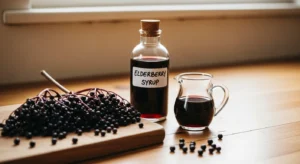
Antioxidant Rich Support and Its Influence on Hair Quality
Hair strands take daily damage from brushing, heat, sun, and friction. Over time, that damage shows up as dryness, dullness, and breakage. Berries are rich in plant compounds that people associate with antioxidant support, which can help overall wellness and skin balance. If elderberry helps you stay consistent with better nutrition and hydration, you may notice your hair looks smoother and snaps less. That is not new growth: it is better preservation of the hair you already have.
It helps to separate two goals. Hair quality is the shine, softness, and strength of existing strands. Follicle activity is whether the scalp is producing new hairs and how long those hairs stay in the growth phase. Many users ask does hair fall mean new hair growth when they transition to nutrient-rich diets, but often it is simply a reduction in breakage that allows for more length retention.
Scenarios Where Elderberry Supports Stronger Hair
Hair often reacts to what the body goes through. Excessive shedding can happen after stressors such as illness, high fever, weight loss, and major stress, often showing up months later. These are the situations where you are more likely to feel a benefit:
- You were frequently run down and improved sleep, meals, and hydration along with elderberry.
- You are rebuilding after a stressful season and trying to reduce inflammation and breakage.
- Your hair is brittle and you are focused on moisture, gentler styling, and less heat.
- You are recovering after an illness and supporting your body back to baseline.

The Limits of Elderberry in Triggering New Hair Growth
If you are interested in sprouting new hair in areas that have been thinning for an extended period of time, this berry is probably not the magic cure. Conditions such as pattern baldness, autoimmune problems, or scarring alopecia have complex biological changes which cannot be reversed by a simple fruit supplement. If you notice your part line getting wider, see smooth bald patches, or feel pain on your scalp, seek professional help. Treating dreadlocks cause hair loss or other thinning issues requires a medical root cause analysis.
Hair Conditions That Align Best With Elderberry
| Hair Concern | Elderberry Benefit |
|---|---|
| Dryness and Breakage | Antioxidants fight oxidative stress that weakens strands from inside. |
| Post Stress Recovery | Counters internal inflammation caused by sickness or high stress. |
| Routine Seekers | Easy to take, making it simpler to stay consistent with wellness goals. |
Dr. Boogies Hollywood Secret
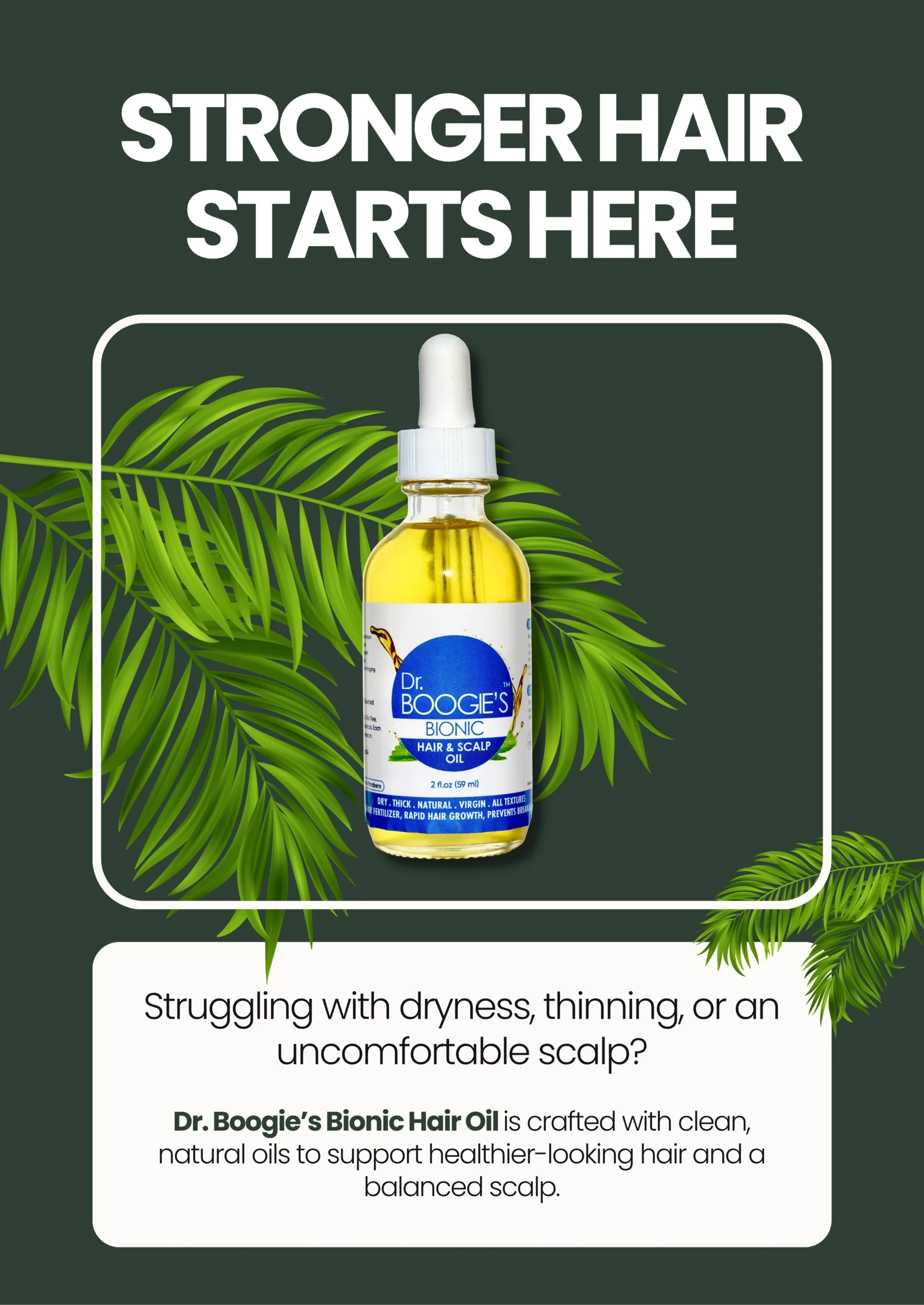
A good scalp oil supports what supplements can’t by improving comfort and moisture. Dr. Boogie’s Bionic Hair and Scalp Oil features Black Jamaican Castor Oil and elderberry extract to restore resilience and shine. It is the missing piece in a recovery-focused lifestyle, especially when paired with a diet that explores questions like does milk really help hair growth.
Sample Scalp Care Routine
- Wash often enough to prevent buildup, but avoid harsh scrubbing.
- Massage gently during washing to loosen flakes without scratching.
- Avoid tight styles that pull on the roots day after day.
- Condition the lengths and reduce heat when possible.
Nourish & Support Your Scalp
Internal wellness and scalp level care work together. Give your scalp the recovery it needs with our handcrafted botanical blend.
Conclusion
Elderberry might have an indirect effect on your hair by aiding your wellness habit, from minimizing breakage to helping your hair to recover. If it helps you remain consistent, then your hair can be much smoother and hold more length. Just be realistic with expectations: it is not a definite trigger of new hair growth. For the best results, internal wellness and scalp level care need to be combined.