Grapefruit will not magic your hair back. But that’s the thing, it would be as wrong to dismiss grapefruit altogether as it is to oversell it. For good reason, this bright Fruit for Hair Growth has gained a reputation as a wellness powerhouse. From detox diets to glowy-skin routines, grapefruit seems to appear across the health spectrum.
The real story is not about the absence of stimulation, but about support versus stimulation. The nutrients in grapefruit can nourish your scalp, the inside of the hair shaft, and your hair overall. These are both factors that affect the health of your current hair. What it does not do is operate independently to spur new hair growth or to get around your genes.
In this guide, we’ll help you cut through the noise to the actual science and make sense of what’s worth paying attention to, as well as how exactly grapefruit can be used as part of a practical hair care strategy. Whether you suffer from dullness, breakage, or just want to hold onto the hair you’ve got, knowing precisely what grapefruit actually does for your hair can help you make wiser choices when it comes to hair care.
Grapefruit’s Reputation as a Detox and Wellness Fruit
Before we get to hair-related benefits, though, it’s worth noting why grapefruit has such a good reputation in the wellness world to begin with.
Grapefruit is a detox fruit, not a marketing fluff; these are real potential nutritional attributes. It’s low in calories, high in water, and rich in compounds that support digestion, circulation, and metabolic health. Its high vitamin C content and strong antioxidant profile have made it popular among those focused on holistic health.
But here’s where the picture can get really interesting about hair health: Hair follicles, combined structures of skin and the brain formed during your time in utero, are susceptible to what is happening inside your body. And they respond to internal stresses related to inflammation and nutrient availability more quickly than most other tissues.
When your body is under oxidative stress or experiencing nutrient depletion, hair quality is often the first to suffer, as it’s one of the earliest signs that something’s not quite right internally.
Grapefruit doesn’t detoxify your hair follicles directly. What it does is maintain systemic functions such as antioxidant defense, nutrient delivery, and inflammation control, which establish a healthier nutritional environment for your hair to grow.
Vitamin C, Antioxidants, and Their Role in Hair Quality
Let’s discuss grapefruit’s nutritional MVP: vitamin C.
A medium-sized grapefruit yields about 64 milligrams of vitamin C, or about 71 percent of the recommended daily amount. That’s huge, and it matters for the health of your hair in three significant ways:
Collagen Formation
Your actual strands of hair are mostly made of keratin, but their strength and stretch depend on collagen support. Vitamin C is crucial for the synthesis of collagen. While vitamin C also prevents your hair from becoming brittle and fragile, a lack of vitamin C makes your hair more prone to damage or breakage. This isn’t to say you sprout new hair, but that the hair you do have becomes structurally stronger.
Iron Absorption
Iron is essential for oxygen to be circulated to your hair follicles. Vitamin C significantly boosts iron absorption from the foods you consume. Even when you’re consuming foods rich in iron, your body has trouble using it properly if you don’t get enough vitamin C. If you have better iron utilization, there will be better oxygen delivery to your follicles, which is the key to the growth phase of your hair cycle.
Antioxidant Protection
Grapefruit is loaded with powerful flavonoids, such as naringenin, which help neutralize free radicals. Oxidative stress gradually breaks down the hair cuticle, which is the outer protective sheath of each strand. This is what leads to dry, lackluster hair, frizz, and split ends, resulting in overall poor hair quality. Antioxidants don’t regrow hair, but they help keep what you’ve got from breaking down before it should.
The reality check here is significant: these advantages improve hair quality, not hair quantity. And no, you cannot add more hair follicles or speed up your growth, but the hair on your head will be healthier, shinier, and break down less over the years.
Blood Flow, Collagen Support, and the Scalp Connection
Hair is essentially healthy from the scalp, and that is where it gets interesting with grapefruit and circulation.
Vitamin C not only promotes collagen in your hair shaft, but also aids capillaries and blood vessels found in your scalp as well. This helps ensure a steady, healthy flow of blood to hair follicles, which is crucial for maintaining active growth cycles as optimized as possible.
Follicles don’t get as much oxygen and nourishment when scalp circulation is less than optimal. Thinning and weakened hair growth, as well as a less receptive scalp environment, may result over time. Grapefruit isn’t going to jump-start blood flow on its own, but as part of a nutrient-rich diet, it nourishes the systems within your body that maintain scalp tissue health and openness.
Collagen even adds structure to the scalp. A well-supported scalp environment allows follicles to remain firmly adhered and function efficiently. An inflammation or tightening of the scalp tissue may mean that hair efficiency and quality decrease, even if the follicles remain alive and able to produce hair.
Again, grapefruit is no miracle worker on this front. It’s a second fiddle, indirectly supporting the actor that helps maintain the overall health of the systems on which your hair relies.
Grapefruit Juice as Part of a Hair-Supportive Lifestyle
The best way to use grapefruit for the health of your hair is not as a treatment but as an ally in your diet.
Consuming fresh grapefruit juice or whole grapefruit regularly lays the foundation for three aspects that support hair health: hydration, micronutrient intake, and balanced antioxidant exposure. Each of them is significant in its own right for various reasons.
Hydration: With about 88% water content, grapefruit aids in keeping your body hydrated. Cells work better when they are hydrated, including those in your scalp and hair follicles.
Micronutrients: In addition to vitamin C, grapefruit is a good source of smaller levels of vitamin A and potassium, as well as B vitamins, which are involved in your body’s metabolism.
Antioxidant Balance: Regular antioxidant intake helps your system cope with oxidative stress, minimizing overall damage to hair proteins.
Here’s what you really do for grapefruit, to make it work:
LWG + grapefruit because grapefruit and other citrus fruits are packed with vitamin C, which is essential to keratin (the protein your hair is made out of), and helps keep that production high by pairing it with something that provides plenty of amino acids.
Remain well-hydrated in general and assist in efficiently delivering nutrients to hair follicles.
Grapefruit is especially helpful during times of high oxidative stress, seasonal transitions, travel to a sun-soaked destination, and convalescence from illness or chronic stress. This is when hair quality tends to become visibly compromised, but targeted nutritional support can make all the difference.
Situations Where Grapefruit Supports Healthier, Shinier Hair
The benefits of grapefruit are most pronounced in certain situations. Here is where you are most likely to feel a difference:
Dull Hair
If your hair looks flat or lifeless and doesn’t reflect light the way you want, the antioxidants in grapefruit can brighten it right up. They will help you achieve the smoothest cuticles, so hair reflects light more easily. If you consume it consistently over a few weeks, your hair might look shinier and more beautiful, thanks to the condition of the strands that already exist, not because new ones have developed.
Heat- or Sun-Stressed Hair
The summer sun, the hot tools you use to style your hair, and general exposure can all lead to oxidative damage to hair proteins. This damage can be held in check internally by Vitamin C, and the skin texture becomes smoother. If your hair is fried, chemically treated, dry, and/or feels like straw as a result of heat damage, grapefruit can also help.
Gentle Shedding Due to Nutritional Stress
When your hair loss is the result of low antioxidant intake or poor nutrient absorption (not genetic or hormonal), grapefruit may help you recover. But that only works if the root problem is actually nutritional, not medical or hormonal.
Fine or Easily-Weighed Hair
Since grapefruit doesn’t add oil or heaviness from the inside out, your hair can remain shiny and strengthened without becoming too oily. For those with fine hair that products tend to weigh down, the internal nutrition from grapefruit will help provide benefits without added weight.
It usually takes 4–8 weeks of daily use to see these benefits. They’re small, incremental changes, not insomnia-inducing overnight transformations.
Why Grapefruit Cannot Activate New Hair Growth on Its Own
This is probably the most critical part in setting the expectations, so here goes.
Natural hair growth, which generates new, reactivates dormant, or bypasses genetic tendencies, is regulated by:
- Genetics
Your hair’s density, rate of growth, and the patterns in which it falls out are determined by your DNA.
- Hormones
DHT, estrogen, and thyroid, particularly
- Follicle health
The biological code that instructs follicles as to when (and how long) to grow, rest, and fall out.If hair loss is caused by genetic pattern baldness, autoimmune disease (such as alopecia areata), hormonal imbalance, or follicle miniaturization, nutrients alone will not reverse the process.
Grapefruit does not have any medicinal elements that can cause the following:
Reactivate dormant follicles
- Block DHT (the hormone that causes pattern baldness)
- Override genetic programming
- Reverse scarring or follicle death
Even amid stress-related hair loss or temporary thinning, grapefruit supports regrowth through health-promoting effects (not growth stimulation). Your body is the one that actually carries out the recovery; grapefruit simply supplies your raw materials.
Think of grapefruit as a form of maintenance and optimization, rather than a way to regenerate. It allows you to develop your existing genetic potential as fully as possible, but it can’t change your genes or rewrite those instructions.
Hair Concerns That Align With Grapefruit Support
Grapefruit aligns best with hair quality concerns, not follicle loss issues.
Best-fit concerns include:
- Dryness and dullness
- Fragility and breakage
- Seasonal shedding (temporary, stress-related)
- Environmental damage (sun, pollution, heat styling)
- Poor scalp circulation without underlying medical causes
- General hair texture and appearance improvements
Concerns that grapefruit cannot resolve:
- Male or female pattern baldness
- Alopecia areata (autoimmune hair loss)
- PCOS-related hair thinning
- Post-chemotherapy hair loss
- Long-term follicle dormancy
- Scarring alopecia
If your hair loss is progressive, follows a pattern (temples, crown, part line), or appeared suddenly and severely, you need a medical evaluation. Grapefruit should complement professional care not replace it.
Support Scalp Health With Hollywood-Style Care
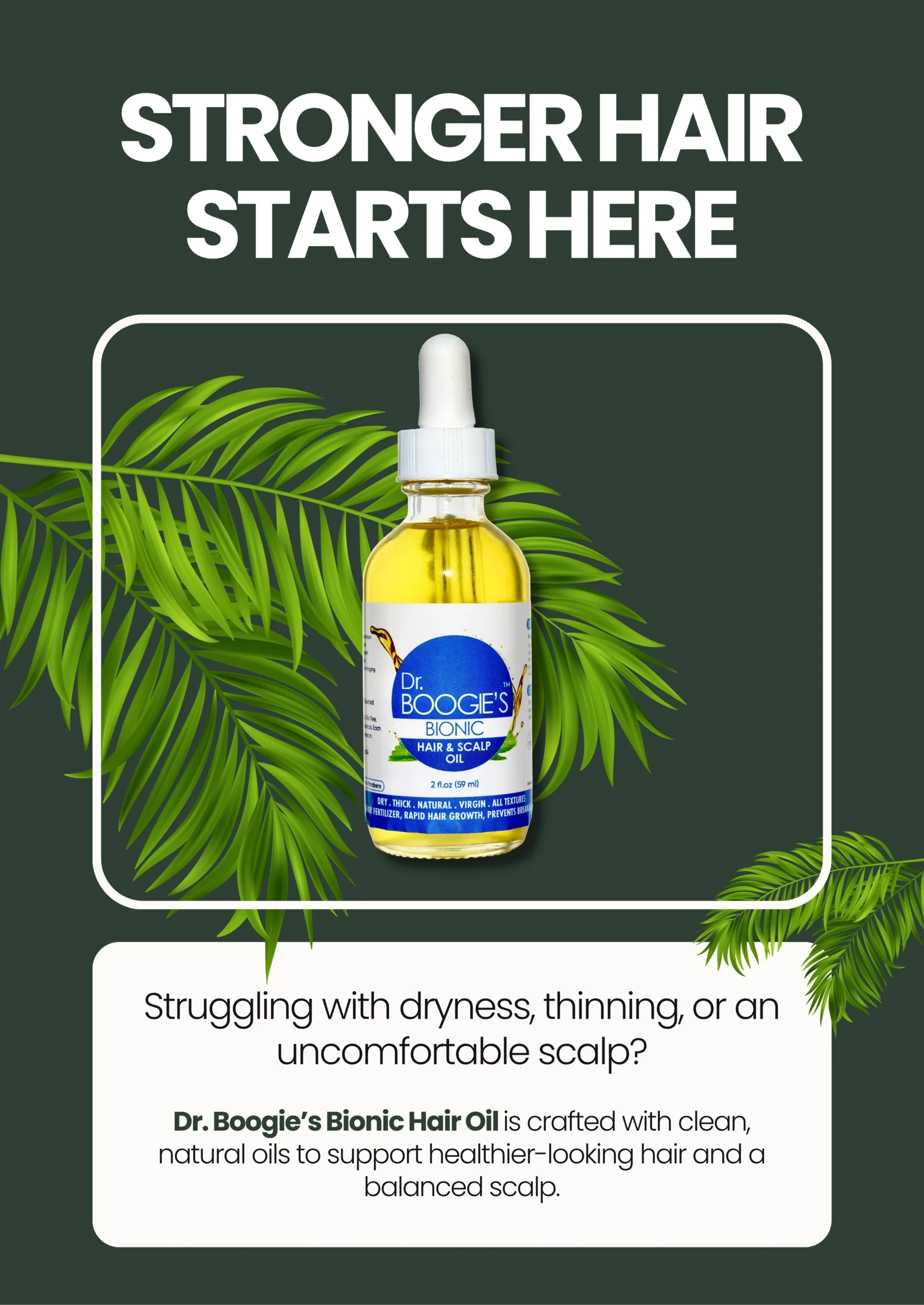
Dr. Boogie’s Hollywood-style oil focuses on scalp health first, creating the foundation
for stronger, healthier-looking hair. Its lightweight botanical blend supports gentle
circulation during massage, helping deliver oxygen and nutrients to the follicles without
heaviness or buildup. The formula smooths the cuticle, adds natural shine, and calms dryness
for a clean, balanced scalp—ideal for long-term comfort, softness, and polished texture
without unrealistic growth claims.
The Bottom Line: Support, Not a Miracle Cure
Grapefruit does not grow new hair. It does not restart follicles. And it does not override genetics or hormones.
What it does do is support scalp health, protect hair structure, improve shine, and strengthen the hair you already have. For people with generally healthy hair who want better texture, resilience, and vitality, grapefruit is a brilliant, evidence-backed addition to the diet.
Hair health is never about one fruit, oil, or supplement. It’s about consistency, balance, and realistic expectations. Grapefruit earns its place as a supportive player, refreshing, nourishing, and genuinely beneficial, but never a standalone solution.
When used correctly as part of a comprehensive approach, grapefruit helps your hair look and feel like its healthiest version without pretending to be something it isn’t. And honestly, that’s precisely what good nutrition should do.