Fenugreek seeds, or methi, have been a common ingredient in kitchens and home remedies for a long time, so it’s no surprise that they keep popping up in hair care treatments. They can be soaked, mashed into hair masks, or used as a rinse because they are readily available and leave hair feeling softer after treatment.
However, it is necessary to distinguish between tradition and scientific evidence. According to the Cleveland Clinic, fenugreek is associated with numerous health benefits, but there is not enough scientific evidence to support most of these claims. If you are interested in the clear answer to the question of whether fenugreek seeds are beneficial for hair growth, you should continue reading this guide.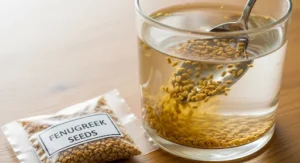
Understanding Fenugreek Seeds and Their Hair Related Properties
Fenugreek seeds are derived from an herb that has been used in cooking and traditional medicine for centuries. When soaked, the seeds become soft and slippery, developing a kind of gel-like layer that can cover hair. This is exactly why fenugreek seeds are used in home hair masks and rinses.
The layer that develops on the hair can make it smoother and more manageable, which can decrease tangling and breakage during washing and combing. Even before the first signs of actual hair growth appear, the hair can appear thicker simply because there are fewer breakages.
How Fenugreek May Support Hair Growth and Thickness
Fenugreek appears to promote hair growth more through indirect mechanisms. When your scalp feels less tense and your hair is softer, you are likely to treat your hair with more care. This gentle handling may translate to fewer split ends and better retention of length, making it seem as if your hair is growing faster.
It may also temporarily make your hair look thicker by making it feel smoother and reducing frizz. However, do not forget that fenugreek is no replacement for a professional diagnosis if you are experiencing chronic hair thinning, sudden hair shedding, patchy hair loss, or scalp conditions.
Topical Use of Fenugreek for Hair
The most popular way to use fenugreek for hair growth is to apply it to the scalp. Some people soak the seeds, make a paste from them, or boil and strain them to make a hair rinse. The goal is to apply the mixture to the scalp and hair for a short period of time before rinsing it out gently.
This is the most popular method because it is a direct hair treatment and is easier to control compared to taking supplements. If you have a sensitive scalp, it is a good idea to perform a patch test, even with natural ingredients.
Drinking or Eating Fenugreek for Hair Growth
Taking fenugreek in normal food amounts is different from consuming fenugreek extracts, pills, or large daily drinks. The amount used in food is likely to be smaller and less likely to cause problems compared to supplements.
Reputed medical sources report that fenugreek supplements can lead to stomach upset, gastrointestinal problems, allergic reactions, hypoglycemia, and may also interact with other medications. If you are pregnant, taking diabetes medication, or taking blood thinners, you should not begin a high-dose fenugreek treatment for hair growth without consulting your doctor.
How Often Fenugreek Can Be Used on Hair
There isn’t a known medical routine for applying fenugreek to the hair, so a gentle routine is the best course of action. For most people, once or twice a week is enough to see how the scalp and hair respond well.
Ongoing daily applications are rarely necessary and may cause buildup, especially if you already apply oils, creams, or leave-in products. Begin with a small amount and adjust based on your comfort level and how easily your hair rinses out.
Can Fenugreek Cause Hair Loss or Dryness
Fenugreek isn’t recognized as a common hair loss culprit, but poor application can be a problem. A thick paste that is difficult to wash out can pull on hair during the washing process, and constant pulling can result in further breakage.
Scalp irritation, itching, or redness due to herbal components may also occur in some individuals. If fenugreek irritates your scalp, discontinue its use immediately. A relaxed and comfortable scalp is essential for healthy hair, and irritation can further exacerbate shedding and breakage.
Fenugreek and DHT Blocking Claims
Internet buzz frequently suggests fenugreek as a natural DHT blocker, particularly for pattern hair loss. This is not entirely implausible, considering the DHT connection to androgen-related thinning, but many online assertions tend to leap forward of sound clinical evidence.
There is not sufficient concrete human evidence to support the effectiveness of fenugreek as a DHT blocker that promotes hair growth. It can still be considered a complementary tool for some users, but it should not be considered a scientifically validated alternative to proper diagnosis and treatment.
How Long Fenugreek Takes to Show Results
Fenugreek is not a quick solution for hair loss. The first signs of improvement, if they appear, will first affect the texture of the hair, making it softer, easier to brush, and more pleasant to touch. This happens quickly because it’s more about conditioning and manageability.
Realistically speaking, noticeable volume will take time and will depend on the cause of hair loss. Growth is slow, and conditions such as stress-induced shedding, thyroid problems, iron deficiency, or pattern baldness will each need to be addressed in their own way.
Limitations of Using Fenugreek Alone for Hair Growth
Hair loss is usually a symptom of something more serious, so actual progress requires proper diagnosis and a comprehensive approach. Here are the most important limitations:
- Fenugreek alone does not treat the underlying causes of hair loss, including genetics, hormonal changes, dietary deficiencies, scalp problems, tight hairstyles, and stress-induced hair loss.
- Home-made fenugreek remedies are not standardized, and potency and preparation techniques may vary greatly from one preparation to another.
- Fenugreek supplements are not prescription medications, so their quality, dosage, and consistency may vary from one product to another.
- The American Academy of Dermatology warns against using hair supplements because taking too much of certain vitamins may actually accelerate hair loss.
- Early diagnosis is essential because treating the wrong cause can slow down progress and allow the problem to continue.
Simplify Your Hair Care Routine
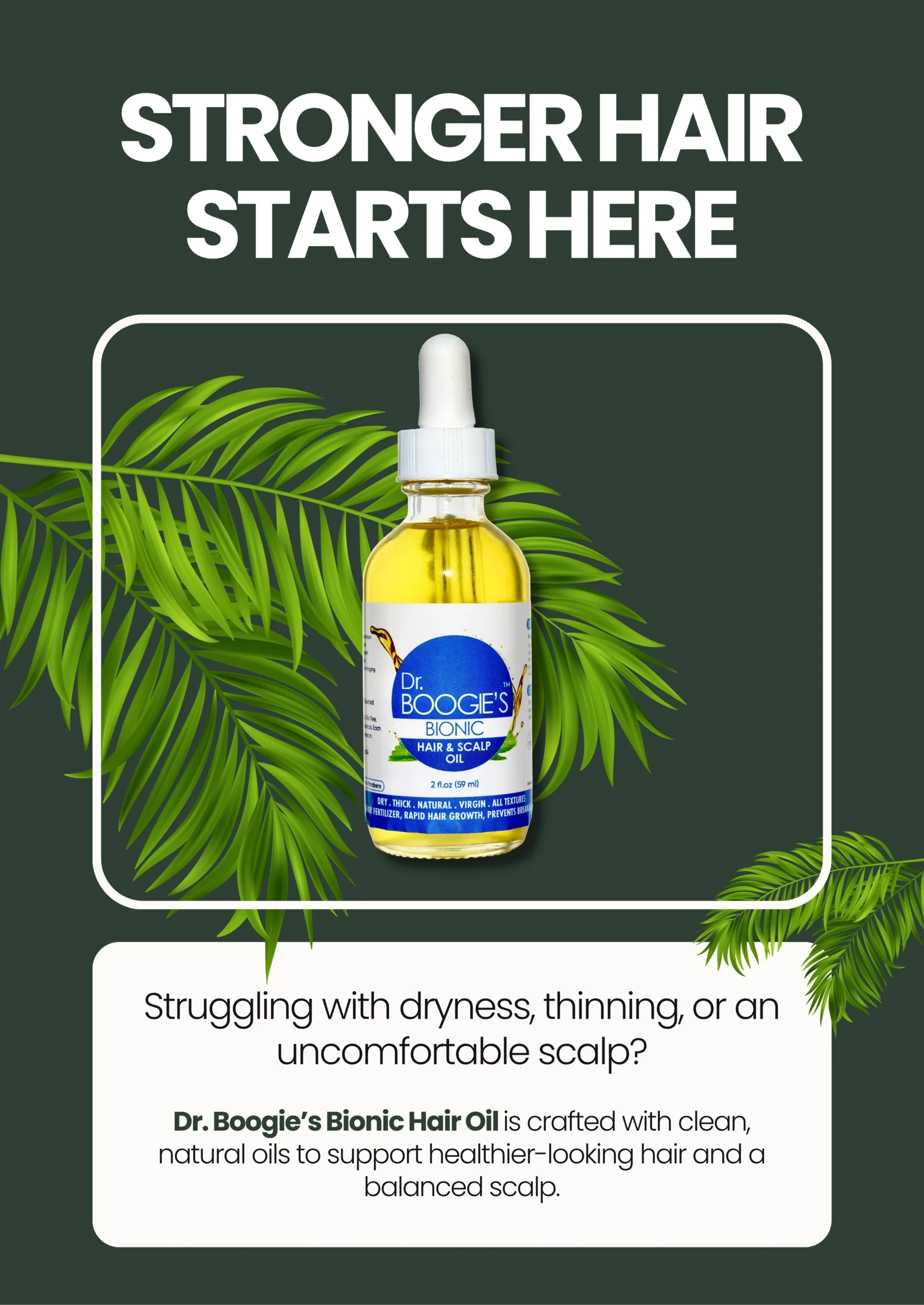
If soaking and blending seeds every week feels hard to maintain, a well-formulated scalp oil can offer a simpler alternative. Dr. Boogie Secrets Bionic Hair and Scalp Oil is a handcrafted botanical blend designed to nourish the scalp, ease dryness and itchiness, and improve manageability without leaving greasy residue. With Black Jamaican Castor Oil to support stronger-looking roots, Jojoba Oil to help balance moisture, Tea Tree Oil to calm irritation, and botanical extracts for
added softness and shine, it fits easily into a consistent, low-effort routine.
Conclusion
Fenugreek seeds can be a great addition to your hair care routine, especially if you are looking for softer hair, reduced breakage, and a healthier-looking scalp. However, they are not a guaranteed hair growth solution, nor can they replace finding the underlying cause of hair loss.
For healthier and stronger-looking hair, you can create a routine that involves gentle handling, scalp care, and using support products depending on your hair type. You can also explore Dr Boogie Secrets and add our Bionic Hair and Scalp Oil in your daily routine to support moisture, manageability, and fuller-looking hair.