Have you noticed your hair thinning after a summer holiday? Worried about why your scalp is hurting, and your hair feels different after a long day in the sun? You’re not imagining things. Sunburn on the scalp can affect your hair in ways you might not expect.
A sunburned scalp itself won’t prevent your hair from growing in the future, but it can trigger a series of events that temporarily disrupt growth. Knowing what lies beneath the surface of that painful burn can help protect your scalp and keep your hair healthy year-round.
Let’s explore the science of sun damage and hair growth, and learn exactly what happens when your scalp gets too much UV exposure.
How Sunburn Affects the Scalp Before It Affects Hair
Your scalp is skin like any other part of your body, and it’s prone to UV exposure. But what makes scalp sunburn? The damage extends further and affects the hair follicles below. When these UV rays reach your scalp, they damage the DNA in skin cells, induce oxidative stress, and break down collagen and elastin. Your hair follicles are, in fact, tiny little organs embedded in your scalp that reside within a fragile microenvironment. Everything changes when that environment is disrupted by UV damage. This is precisely why scalp health matters for hair growth. Before you can even tell your hair is drying out, your scalp has already suffered considerable distress. The blood vessels open, inflammatory chemicals rush in, and your skin cells start an excited repair response. This internal turmoil occurs hours before redness and pain set in. Your scalp’s natural protective barrier, your sebum, as well as the stratum corneum (the skin’s uppermost layer), becomes compromised. This leaves the lower layers of the skin and the follicles themselves more susceptible to further injury and moisture loss.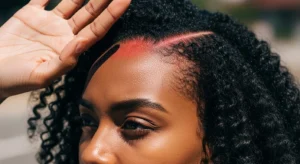
Inflammation and Sensitivity After Scalp Sunburn
Inflammation sets in within hours of exposure to the sun. Your scalp is red, hot, sore when touched, and terribly sensitive. This isn’t simple, skin-deep pain; it’s your immune system kicking in to respond to cellular damage. Swelling may pinch the follicles shut, while inflammatory chemicals can disrupt the usual hair growth cycle.You might experience:
- Burning and itching while the skin is healing
- Scalp stiffness and difficulty with movement
- Peeling and flaking as dead skin cells fall off
- Heightened sensitivity to touch and hair products
Temporary Hair Fallout After Sun Damage
About 6 to 12 weeks after a nasty scalp sunburn, you might start seeing way more hair loss than you usually do. This type of delayed hair loss, called telogen effluvium, is one of the most common causes of temporary hair loss. When your scalp is traumatized by sunburn, it signals a certain percentage of your hair follicles to enter telogen, the resting phase, prematurely. This explains why many wonder, does hair fall mean new hair growth? These hairs don’t drop immediately. They remain in the follicle for the normal telogen cycle (up to 3 months). It’s easy to panic when noticing hair coming out 8 weeks later, but this is the delayed reaction to the trauma earlier. The good news? Telogen effluvium is virtually always temporary.Sunburn Hair Growth Myths and Where They Come From
- Myth 1: “Sunburn permanently damages hair follicles.” Unless the burn causes deep scarring, follicles remain intact beneath the skin’s surface.
- Myth 2: “Peeling scalp skin takes hair with it.” Peeling affects the epidermis, while hair is anchored much deeper in the dermis.
- Myth 3: “Sun exposure is good for hair growth.” While vitamin D is essential, direct UV exposure to the scalp causes more harm than good.
Damage to the Scalp Barrier and Its Effect on Hair Strength
Sunburn disrupts the acid mantle and stratum corneum, leading to severe dehydration. For those looking to repair this damage, learning how to keep your scalp balanced naturally is essential. When the barrier is disturbed, hair becomes fragile, thinner in diameter, and more porous.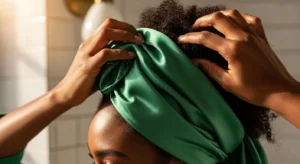
Dr. Boogies Hollywood Secret
Hide the shedding, dont pull it. When your scalp is actively recovering from severe sun damage, avoid slicked-back styles, heavy extensions, or tight braids that add tension to already traumatized follicles. Instead, opt for loose, low-manipulation styles or protective silk wraps. Treat your roots like delicate silk—your scalp needs a vacation just as much as you did!
Managing Hair and Scalp Recovery
Recovery happens in distinct phases. Immediate priorities include cooling the burn with lukewarm compresses and applying pure aloe vera. Avoid hot water and harsh shampoos with sulfates. By months 3-4, you may start seeing baby hairs, and density typically returns to normal within 12 months.Why Sun-Exposed Scalps Need Targeted Nourishment
Sun-damaged scalps are structurally compromised. Mainstream products are for routine care, not post-burn recovery. Following professional dermatological advice, you need antioxidants (Vitamins C and E), anti-inflammatories like aloe vera, and barrier-repairing ceramides.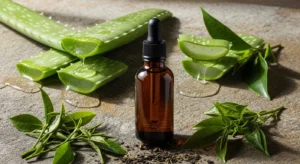
Restoring Scalp Balance
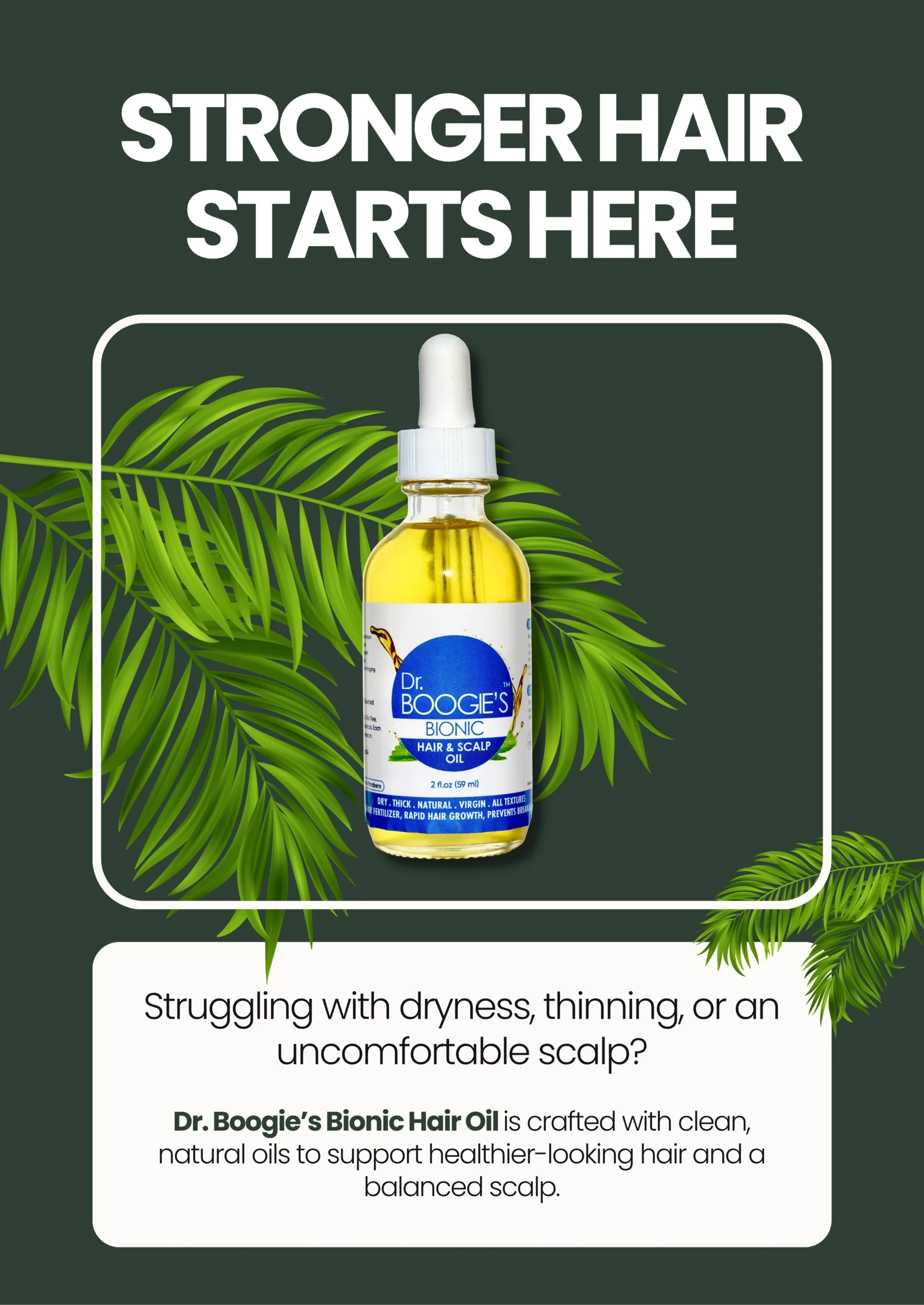
Give your follicles the resuscitation treatment they deserve. Dr. Boogies Iconic Hair Oil is crafted with scalp-soothing botanicals designed to calm irritation and replenish lost lipids without buildup.
Conclusion
Sunburn won’t halt your hair growth in its tracks forever, but it can cause a temporary imbalance that your scalp and follicles have to work out before you get on with the business of growing healthier locks. From the inflammation and barrier impairment at the outset to shedding that can persist for months afterward, several phases of sunburned scalp significantly outlast the process itself. Knowing what is going on beneath your skin will allow you to provide appropriate care at the right time. If you’re already struggling with sun-damaged scalp or trying to avoid the damage altogether, the rules don’t change much: be gentle, target your soak-in-the-sun nourishment, have patience, and protect constantly.Your hair comes back, and so will you. With the proper approach, your scalp will heal, your hair will grow back, and you’ll come out with a game plan to future-proof your crown of glory from sun damage. Just be sure to put on that hat so you can give your scalp the resuscitation treatment it finally deserves.