Do you find your hair dry and straw-like after frequent swims? Swimming itself doesn’t actually help hair growth and, when it comes to constant exposure to chlorinated pools or saltwater, can create an environment that’s less than ideal for your overall hair health.
Swimming is excellent exercise, but the relationship with your hair is complicated. While physical activity supports overall health, the water you swim in—whether chlorine-filled or salty—can actually work against your hair and scalp. Here’s the science behind swimming’s real impact on your strands.
But that doesn’t mean you have to sacrifice your favorite pastime. When you know what your scalp and hair are doing in that water, you can protect what you’ve got and grow the locks you want. Let’s get real about how swimming affects hair follicles and long-term strength.
How Chlorine and Saltwater Affect Hair and Scalp
Chlorine is a potent oxidation cocktail designed to kill bacteria. Unfortunately, it also dissolves sebum—your scalp’s natural oil that nourishes hair roots and keeps follicles healthy. If exposed long enough, chlorine has a drying and breaking effect on hair, weakening the protective barrier on your scalp. This is exactly why scalp health matters for hair growth.
Saltwater is less toxic but just as dehydrating. The mineral-forward nature of the water pulls moisture out of hair and skin through osmosis, leaving your strands feeling rough and your scalp tight. Even though follicles are relatively protected beneath the surface, the disturbance to your scalp’s surface environment directly affects the follicular microenvironment where growth occurs.
Scalp pH and Moisture Balance After Swimming
Your scalp has a slightly acidic pH of 4.5–5.5. This environment is critical for regulating microbial growth and supporting the skin barrier. Swimming upsets this fragile balance. Chlorinated pools usually have a pH of 7.2 to 7.8, which is much more alkaline than your scalp. For those looking to recover from this chemical stress, learning how to keep your scalp balanced naturally is essential.
If your scalp remains persistently out of balance, it can lead to telogen effluvium—stress-induced shedding. Many swimmers panic when they see increased hair in the drain, often asking, does hair fall mean new hair growth? The answer lies in the delayed reaction to the pool’s chemical stress.
Long-Term Swimming Habits and Hair Strength
With each swim, the hair cuticle weakens. Research shows that frequent swimmers often have hair that is more porous, less tensile, and rougher than non-swimmers. Every swim session without adequate protection adds to the wear and tear on existing strands and emerging growth.
Regular swimmers’ hair frequently becomes:
- More tangle-prone and less “open”
- Fragile with a tendency toward split ends
- Thinner in appearance over time
Dr. Boogies Hollywood Secret
Seal it before you soak it. Before you even step onto the pool deck, saturate your hair with fresh tap water and apply a thin layer of natural oil. Hair is like a sponge; if it is already full of clean water and oil, it has no room to soak up the chlorine or salt. This simple 2-minute ritual is the difference between thriving silk and poolside straw.
Managing New Hair Growth While Swimming Regularly
New hair emerging from your follicles is especially fragile for the first several weeks. The cuticle has not yet fully hardened, making it highly vulnerable to chemical abuse. To give new growth the best start, successful swimmers follow five rules: water pre-saturation, barrier creation, immediate cleansing, pH restoration, and deep conditioning consistency.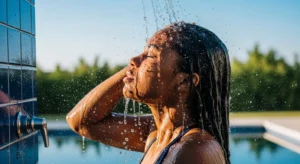
Protective Measures for Healthy Swimming Hair
- Pre-Swim Protection: Apply coconut or argan oil to create a hydrophobic layer.
- Immediate Rinse: Use fresh water within 10 minutes of exiting the pool.
- pH Restoration: Use an acidic rinse to bring the scalp back to its 4.5–5.5 range.
- Scalp-Specific Care: Use targeted oils once or twice weekly to calm inflammation.
Post-Swim Scalp Recovery
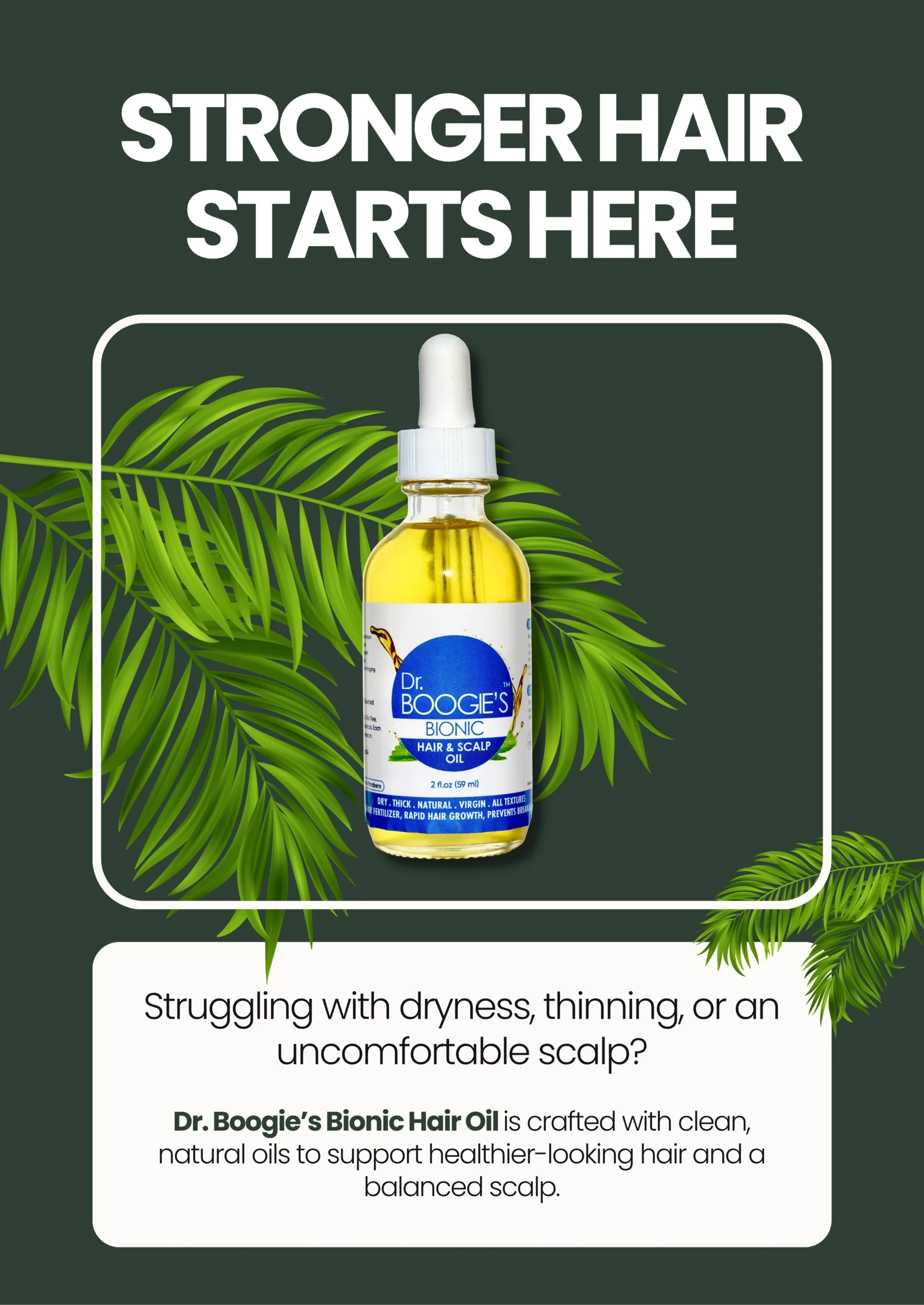
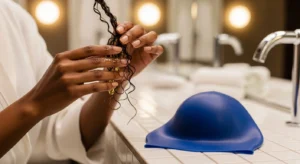
Your scalp requires more than a basic wash after a swim. Dr. Boogies Iconic Hair Oil is designed to calm chemical irritation, fight oxidative stress from chlorine, and replenish the barrier lipids stripped away by the water.
Conclusion
Swimming doesn’t help hair growth, but it doesn’t have to harm it either. Chlorine and saltwater disrupt scalp pH, strip protective oils, and weaken hair structure. However, with the right strategy for prevention and recovery, you can maintain a “hair-friendly climate” even with regular pool time.
Whether you’re a competitive athlete or a casual weekend swimmer, your routine must match your exposure. By using protective barriers and targeted scalp recovery rituals, you ensure your hair stays strong, resilient, and ready to grow. Your hair can handle the water, provided you give it the resuscitation treatment it finally deserves.