We all know running does wonders for your physical and mental health, but can it also boost your hair growth? It’s a question that comes up in both fitness and beauty circles, but the answers aren’t always the same. Some swear their hair grew thicker after taking up a running routine, and others worry that sweating and running in ponytails are destroying strands.
The relationship between running and hair growth is not a straightforward yes-or-no. While exercise provides other legitimate benefits that help create optimal conditions for healthy hair, it is not a hair-growing stimulant as you might believe.
Knowing what running does to your hair and what it doesn’t do for it helps when making decisions about your exercise and hair-care routines.
We’re going to examine the science of exercise and hair health to find out what actually helps foster strong, healthy hair growth.
Running as a Physical Activity
Running is among the easiest and most affordable cardiovascular activities. Whether you’re racking up the trail miles, pounding pavement, or cranking out laps at the track or treadmill, running is more than just an activity it’s a full-body, calorie-melting workout that calls on several key muscle groups in your lower and upper body and engages muscles throughout your entire body for prolonged periods of aerobic exercise that spur a medley of physiological responses.
Several changes occur in the body during a run.
- Cardiovascular stimulation:
Your resting heart rate of 60-80 beats per minute accelerates to 120-180 beats per minute when the intensity is high enough. This more intense pumping supplies the rest of your body and peripheral tissues, such as your scalp, with oxygen-rich blood.
- Metabolism boost:
Your metabolism kicks in, burning calories and tapping into stored energy. This process needs vitamins, minerals, and other nutrients that travel through your bloodstream.
- Responses from the hormones:
Working out stimulates the production of endorphins (feel-good hormones that decrease pain perception), temporarily increases cortisol (your body’s stress hormone) levels, and affects insulin sensitivity, growth hormone production, and other hormonal systems.
- Thermoregulation:
Your core body temperature increases as your muscles produce and release heat. Your body reacts by sending more blood to the skin and sweating, which cools you off.
- Immune system activation:
Light and moderate exercise temporarily improves immune function, but intense exercise can cause temporary immunosuppression followed by recovery.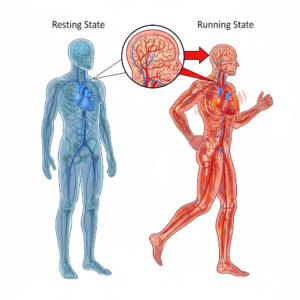
Lifestyle Habits and Hair Health
Hair health doesn’t exist in isolation it’s deeply connected to your overall wellness. People who run regularly often adopt other health-conscious behaviors that collectively support better hair health.
The clustering effect of healthy habits:
Regular runners tend to:
- Eat a more nutritious diet with adequate protein, fruits, and vegetables
- Stay better hydrated throughout the day
- Maintain a healthier body weight and composition
- Get better quality sleep (exercise improves sleep depth and duration)
- Manage stress more effectively through physical activity
- Avoid or reduce smoking and excessive alcohol consumption
- Have more disciplined daily routines
All of these affect its health. For instance, it is important to have proper protein intake, since hair is composed mostly of protein (keratin), about 95%. Sleep is the ideal time for growth hormone levels to peak and for cellular repair processes to be most effective. Telogen effluvium, in which hair enters the shedding phase early, can also be caused by chronic stress.
The metabolic health connection:
Running and other forms of basic cardio training affect key metabolic health indicators:
Improved insulin sensitivity (Which is crucial for hormonal balance)
- Better numbers with cholesterol and triglycerides
- Reduced systemic inflammation
- Control of blood sugar levels
These metabolic benefits provide a healthier milieu for all cells, particularly hair follicles. It’s not going to make your hair grow faster than your genetic code allows, but it does help ensure that follicles can work to their best within the parameters you were born with.
Blood Circulation and Scalp Function
Better circulation is likely the most common connection between them. The logic is straightforward: Running stimulates circulation, and blood brings nutrients and oxygen to the hair follicles, so it stands to reason that running would foster hair growth.
But it’s more complicated than that. When you are doing an aerobic activity like running, your cardiac output (how much blood your heart pumps per minute) will increase by about three to five times its resting level. Your blood vessels dilate to make room for this surging flow, and over time, with regular training, they can even grow new capillaries (a process known as angiogenesis).
How running affects circulation:
There’s more blood, so the oxygen, amino acids, vitamins , and minerals in it are at more of a youth-preserving quantity to feed the dermal papilla (the structure on the base of each follicle that feeds blood to growing hair).
Enhanced circulation also means better removal of metabolic waste products from tissues, which might otherwise accumulate and inhibit follicular function. Better oxygenation supports the high metabolic needs of actively growing hair follicles, which are among the most metabolically active cells in your body.
Running may be good for your circulation, but it won’t supersede your hair’s genetic growth clock (which is typically about half an inch a month), give you an extra-long growth phase, or resurrect dormant follicles due to androgenetic alopecia (pattern baldness).
Stress Reduction and Its Impact on Hair
This is where running may have its most significant positive impact on hair health. Chronic stress is a well-documented trigger for hair loss, and running is one of the most effective stress-management tools available.
The stress-hair loss connection:
Chronic stress affects hair through several mechanisms:
- Telogen effluvium:
Severe or prolonged stress can push a large percentage of hair follicles into the telogen (resting) phase prematurely. Two to three months later, you experience excessive shedding as those hairs release. This is reversible once stress is managed. - Trichotillomania: Stress and anxiety can trigger hair-pulling behaviors in some people, causing physical damage and hair loss.
- Hormonal disruption: Chronic stress elevates cortisol levels, which can interfere with other hormones that regulate hair growth cycles.
- Inflammation:
Stress can promote systemic inflammation, creating a hostile environment for hair follicles. - Nutritional depletion:
Stress increases the body’s demand for certain nutrients (B vitamins, magnesium, and vitamin C) that are also important for hair health.
How running counteracts stress:
Running provides powerful stress relief through multiple pathways:
- Endorphin release:
Often called “runner’s high,” the endorphin surge during and after running creates feelings of euphoria and reduces pain perception, naturally combating stress and anxiety. - Cortisol regulation:
While cortisol spikes during the run itself, regular exercise actually improves your body’s cortisol regulation over time, leading to lower baseline stress hormone levels. - Mindfulness and mental break:
Running, especially longer runs, provides time away from stressors. Many runners describe entering a meditative state during runs, which offers psychological relief. - Improved sleep quality:
Exercise promotes deeper, more restorative sleep, which is crucial for stress recovery and overall health. - Sense of accomplishment:
Meeting running goals and improving fitness builds self-efficacy and confidence, providing psychological resilience against stress. - Social connection:
Group runs or running clubs provide social support, which buffers against stress.
By managing stress effectively through running, you remove one significant barrier to healthy hair growth. If stress-induced hair loss (telogen effluvium) has been an issue, regular running may help prevent future episodes.
Sweat, Scalp Environment, and Hair Care
While running offers benefits for hair health, it also presents challenges primarily related to sweat and its effects on your scalp and hair.
Potential issues with sweat:
Salt accumulation:
Dried sweat leaves salt crystals on your scalp and hair. Salt is hygroscopic (it attracts water), which can draw moisture out of your hair strands, leading to dryness and brittleness.
pH disruption:
Sweat can temporarily alter your scalp’s pH balance, potentially affecting the skin barrier and creating conditions for bacterial or fungal overgrowth if not managed properly.
Product and debris buildup:
Sweat mixes with natural scalp oils, environmental pollutants, and any hair products you’re wearing, creating a layer of grime that can clog follicles if left too long.
Itching and irritation:
For some people, sweating can trigger scalp sensitivity or exacerbate conditions such as seborrheic dermatitis.
Best practices for managing sweat:
Rinse promptly:
After running, rinse your scalp and hair with cool water, even if you’re not doing a full shampoo. This removes salt and prevents buildup.
Don’t over-wash:
You don’t need to shampoo after every single run, especially if you’re running daily over-washing strips natural oils. Instead, alternate between rinse-only days and shampoo days based on your hair type and how sweaty you get.
Use appropriate products:
When shampooing post-run, use gentle, sulfate-free formulas that clean effectively without harsh stripping. Follow with a lightweight conditioner focused on the lengths and ends, not the scalp.
Scalp care:
Once or twice weekly, consider using a gentle scalp scrub or clarifying treatment to remove any accumulated buildup that regular shampooing might miss.
Let it breathe:
Don’t immediately tie sweaty hair into a tight bun or braid and leave it for hours. This traps moisture, creating a breeding ground for bacteria and fungi. Let your hair air out after running.
Address scalp issues promptly:
If you notice increased dandruff, itching, or irritation that seems related to running, address it with appropriate treatments (anti-fungal shampoos, tea tree oil, etc.) rather than letting it worsen.
The key is balance: you want to keep your scalp clean and healthy without over-processing your hair with excessive washing or harsh products.
Hair Management During Running
How you handle your hair during runs can significantly impact its health. The mechanical stress of running, bouncing, wind, friction combined with how you secure your hair, creates opportunities for damage.
Common running hairstyles and their impacts:
High ponytail:
- Pros: Keeps hair off your neck, stays secure, allows air circulation
- Cons: Creates tension at the hairline and crown, can cause traction alopecia if too tight or worn constantly, causes breakage at the point where the elastic sits
Low ponytail or bun:
- Pros: Less tension than a high ponytail, secure for running
- Cons: Can still cause breakage at elastic placement, the bun can bounce and create friction
Braids (single or double):
- Pros: Very secure, distributes tension, reduces tangling
- Cons: Time-consuming to create, can still cause breakage if too tight, tension along the braid line
Headband or buff with hair down:
- Pros: No tension from elastics, natural movement
- Cons: Only works for shorter hair, longer hair tangles and whips in the wind, and gets in the face
Running and Hair Growth Support
Running can help hair to grow, but not directly, and with some considerable caveats. It’s not just about looking attractive; it is believed that when a person runs (as exercise), the body’s cardiovascular metabolism improves, bringing hormonal balance and metabolic efficiency, which create the ideal conditions for hair growth.
Regular running is also a great way to manage stress. Because there’s a known connection between chronic stress and telogen effluvium (stress-related hair loss), easing stress through exercise can, in turn, help balance the hair growth cycle.
By improving circulation and metabolism, the nutrients you digest are more readily transported to hair follicles, and by getting better sleep and recovery (which is often a natural side effect of regular exercise), the body’s natural repair and growth processes are supported. For some people (especially those with insulin resistance or conditions like PCOS), running can also help modulate hormonal imbalances that contribute to hair thinning.
Limitations of Relying on Running for Hair Growth
While running offers genuine benefits, relying solely on exercise for hair growth has significant limitations.
Potential downsides of intense running:
Increased nutritional demands:
Serious runners burn substantial calories and deplete their nutrient stores. If you don’t adequately refuel with nutrient-dense foods, you could actually create deficiencies that harm hair health. Iron deficiency is particularly common in female runners.
Chronic inflammation from overtraining:
While moderate exercise reduces inflammation, excessive training without adequate recovery can increase systemic inflammation, potentially harming hair follicles rather than helping them.
Hormonal disruption: Excessive endurance training, especially combined with low body fat and inadequate caloric intake, can disrupt hormonal balance in women, leading to irregular periods or amenorrhea (loss of menstruation). This hormonal disruption can trigger hair loss.
Physical stress:
While exercise is a positive stressor in moderation, overtraining is a physical stressor that can trigger telogen effluvium, as can other forms of stress.
Time and energy trade-offs:
If you’re spending hours running but neglecting other aspects of hair care (proper nutrition, scalp care, gentle handling), you might not see the benefits you expect.
Individual variation:
People respond differently to exercise based on genetics, fitness level, age, overall health, and how they manage recovery. What works for one person may not work for another.
Some people feel energized and see health improvements from running 20 miles per week. Others may experience fatigue, increased stress, or hormonal disruption at that volume. Listen to your body and adjust accordingly.
What Actually Helps Support Healthy Hair Growth
Running can contribute to overall hair health, but it’s not the whole answer. Here’s what really promotes healthy hair growth:
Nutrition as the foundation:
Description: Your hair is made from what you eat. Essential elements include:
- Protein: You should be eating between 0.8 and 1.0 grams of protein per kilogram of body weight daily from diversified food sources (meat, fish, eggs, legumes, and dairy)
- Iron- especially important for women, if deficient, they may lose more hair even in the absence of anemia.
- Biotin and B-complex vitamins: Help to support keratin production as well as the overall health of skin and hair cells
- Zinc: Needed for growth and repair of tissues; hair loss may occur if deficient
- Omega-3 fats: Influence scalp health and inflammation
- Vitamins A, C, D, E: Each has specific roles in follicles and hair strength
- Sufficient calories: Calorie deprivation signals to the body that energy should be conserved, and it does so by slowing “non-essential” processes, such as hair follicle growth.
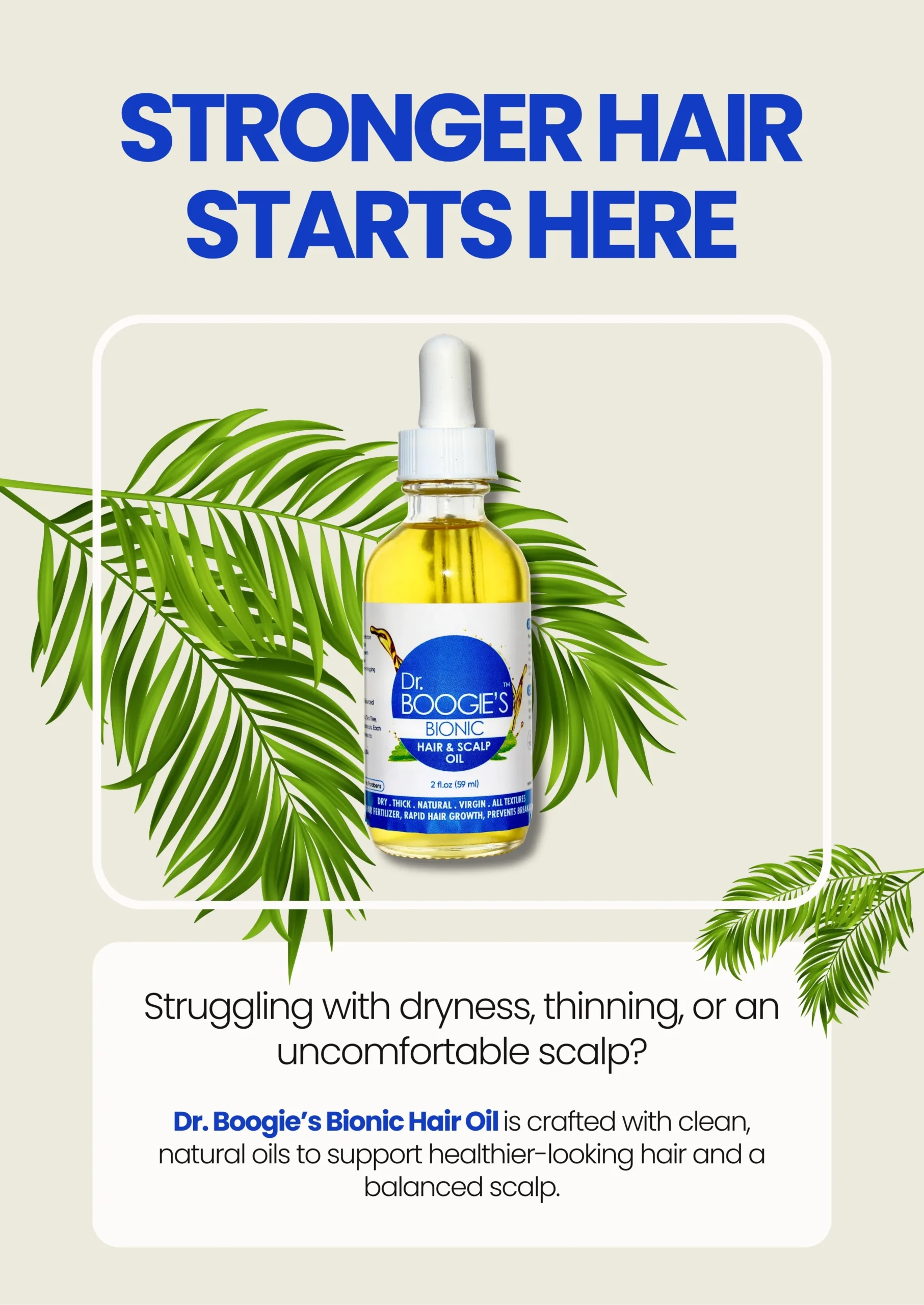
Dr. Boogie Hair Oil for Stronger and Healthier Hair
Running supports overall wellness from the inside, but hair health also needs direct care.
While an active lifestyle improves circulation and reduces stress, Dr. Boogie’s Bionic Hair
and Scalp Oil works from the outside to support your scalp and strengthen hair strands.
Together, internal benefits from running and external nourishment from quality hair care
help create the best conditions for healthier, more resilient hair.
Conclusion
Does running help hair growth?Running does not make your hair grow any faster than your genetic programming defines, though it can stimulate growth.
What running does provide is important: It supports good health, boosts circulation, reduces chronic stress, helps balance your hormones, and improves sleep, all of which positively impact the ability of hair follicles to function at their best. For those whose hair loss is the result of stress or poor metabolic health, running can, in truth, be just that: transformative.
But when it comes to overall hair health, running is most effective when paired with proper nutrition, gentle hair handling, good scalp care, stress management, and being kind to your strands with quality products that can protect and support your locks.
Think of running as a single ingredient in your hair health ecosystem; it’s important, it’s not bad for you, but it’s not going to do the trick all by itself. You balance cardio with strength training, flexibility work, and recovery to be truly fit; why wouldn’t we always suggest balancing exercise with nutrition, hair care, and realistic expectations to be truly obsessed?