If you’ve entered the world of Natural hair care at all, you’ve definitely explored shikakai, a traditional Ayurvedic superstar for centuries as a hair fruit that can turn frizzy hair into sleek, strong hair.
Does shikakai really make hair grow, or is this just another instance of ancient wisdom oversold in the new-age wellness market? It’s a bit more complicated than the typical ‘yes’ you read in mass-market articles extolling shikakai products. Knowing what shikakai really does and doesn’t do is critical for anyone interested in the idea of incorporating it into their hair care regimen.
This guide will cut through the hype surrounding shikakai and help you decide whether this traditional ingredient belongs in your bathroom closet and, if so, how to use it effectively.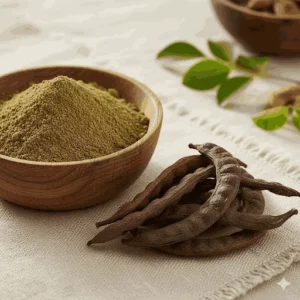
What Is Shikakai and Why Is It Popular for Hair Care?
Scientifically known as Acacia concinna, Shikakai is a climbing shrub native to India and the warmer regions of Asia. The name, in fact, means fruit for hair.
Ayurvedic medicine considers shikakai a cooling herb that helps soothe inflammation and balance the scalp’s pH while gently cleansing hair, removing dirt and oils without disrupting the natural moisture levels. It has traditionally been used with other herbs, such as amla (Indian gooseberry) or reetha (soapnut), to formulate mild cleansing products.
The modern popularity of shikakai stems from several converging trends: the clean beauty movement’s emphasis on natural ingredients, growing awareness of the harm that harsh chemicals can cause to hair, and increased interest in traditional wellness practices from various cultures. When people discover that their great-grandmothers maintained beautiful hair using simple plant-based ingredients, shikakai becomes appealing as both a practical solution and a connection to cultural heritage.
What makes shikakai so interesting is how gentle it is. For many of us, shikakai is less drying and stripping than other natural options (has anyone here ever tried a soap-based cleanser?), making it an easy first step towards low-tox hair care.
The Science Behind Shikakai: What Research Actually Shows
Here is where expectations have to be righted. Although it’s been used for hundreds of years, studies on its specific benefits for hair loss are quite limited. The few studies that have been done focus more on its ability to clean and the amount of antioxidants it contains than on whether hair grew in faster in control trials.
What we know from research:
Vitamin C, D, E, and antioxidants are found in Shikakai. There’s reason to believe these ingredients may have beneficial qualities for scalp health, but promoting a healthy scalp doesn’t mean the same thing as proven to stimulate hair growth.
Several small studies have looked at shikakai’s antimicrobial potential, and it is thought to help control scalp conditions like dandruff or mild fungal problems. Other studies have looked at its vitamin profile and observed that these vitamins promote overall hair health. But just because you put vitamins on your scalp doesn’t mean that hair growth will be boosted; rather, your hair follicles are much more likely to reap the benefits of nourishment from your blood than they are to metabolize what is slathering onto them.
Shikakai can be used as a gentle cleanser and helps keep our scalp healthy. A healthy scalp is essential to maximize growth, but it’s not the only necessary condition. Consider this: a clean, balanced scalp is like fertile soil in a garden. You want good soil to grow plants, but you can’t grow plants with just soil; you also need seeds, water, sunlight, and nutrients.
Does Shikakai Actually Promote Hair Growth?
Shikakai does not seem to stimulate your hair follicles to create hair that grows faster (or wakes up sleeping ones). There’s no scientific evidence that shikakai contains substances that affect the physiology underlying hair follicle growth cycles.
The Biological Mechanism of Hair Growth
Multiple hormonal, nutritional , and genetic factors determine hair growth. Anything that actually speeds up hair growth, such as minoxidil, does so by modifying those internal processes at the level of the follicle.
Indirect Benefits for Hair Health and Retention
Shikakai does indeed help promote hair retention and better health overall in several indirect ways:
- Maintaining the Scalp Barrier:
By gently cleansing without removing natural oils, shikakai preserves the scalp’s natural protective acid mantle. Conventional shampoos contain harsh detergents that can break down this barrier, resulting in dryness, irritation, and inflammation, not the ideal environment for hair to grow. By preventing this damage, shikakai leaves hair looking and feeling healthier, allowing hair to grow at its natural rate (in an optimal growth environment).
- Improving Length Retention
Second, shikakai does not strip hair of its natural oils or cause breakage/dryness like harsh cleansers. When your hair isn’t breaking off as often, it holds onto its length better, and many people interpret this as better length retention or faster growth. This distinction is significant: you’re growing more hair more gradually, not increasing the rate at which you grow it.
- Resolving Scalp Issues:
Third, for those with scalp concerns such as light dandruff or product residue, shikakai’s cleansing properties can help alleviate these issues. When scalp issues are resolved, hair often looks better and grows better because the follicles are no longer hindered by inflammation or blockages.
What Shikakai Actually Does for Your Hair and Scalp
Knowing the literal pros and cons of shikakai can help temper your expectations and help you utilize its potential more effectively. Here’s what shikakai reliably delivers:
Gentle, pH-Balanced Cleansing
Shikakai provides gentle cleansing, leaving the scalp and hair oil-free without stripping all sebum (oil). It preserves the scalp’s natural pH level (between 4.5-5.5), which protects the acid mantle and reveals the hair’s health and volume. This mild wash will cleanse impurities, excess oil, and product buildup without stripping away the good oils that keep hair hydrated and protected.
Less Hair Breakage
Since shikakai does not remove the natural oils from your hair, you’ll find far less breakage compared to using the chemical shampoos most of us are so used to. Theoretically, this leads to better length retention: your hair can grow longer because it’s not breaking off at the ends as often.
Scalp Condition
Control Shikakai is a mild antimicrobial and antifungal that helps control minor scalp conditions that cause flaking or mild seborrheic dermatitis. It isn’t a cure for a serious scalp condition, but it can help keep your scalp balanced and comfortable.
Natural Shine and Softness
Shikakai is said to leave hair with a natural shine and softness that’s much nicer than you get from an average bottle of shampoo. This likely results from two factors: preserved natural oils and smoother cuticle layers. When hair cuticles lie flat and intact (rather than being roughed up by harsh detergents), hair reflects light better and feels smoother.
How to Use Shikakai for Best Results
If you decide to incorporate shikakai into your routine, proper preparation and application maximize its benefits while avoiding potential pitfalls.
Preparing Shikakai Powder
- Traditional Method: Soak 2-3 tablespoons of shikakai powder in warm water for at least 30 minutes or overnight. This softens the powder and helps release the saponins. Strain if desired to remove any gritty particles that might tangle in hair.
- Quick Method: Mix shikakai powder with enough warm water to create a thin paste, similar to pancake batter consistency. Let it sit for 10-15 minutes before application.
- Enhanced Formula: Combine shikakai with complementary ingredients, such as amla powder (for shine and vitamin C), Reetha powder (to increase lather), aloe vera gel (for slip and moisture), or a few drops of essential oils like rosemary or peppermint (for scalp stimulation).
Application Technique
- Wet your hair thoroughly with warm water. This helps the shikakai distribute more easily.
- Apply the shikakai mixture directly to your scalp first, then gently massage it in circular motions with your fingertips. This scalp massage itself provides beneficial stimulation, increasing blood flow to follicles.
- Work the mixture through your hair from root to tip, focusing primarily on the scalp and roots, where cleansing is most needed.
- Leave it on for 5-10 minutes. Unlike commercial shampoos that work instantly, shikakai benefits from a short contact time.
- Rinse thoroughly with cool or lukewarm water. Shikakai can be harder to rinse out than conventional shampoo, so take your time and ensure all residue is removed.
- Follow with a natural conditioner or oil if needed, though many people find shikakai leaves hair soft enough on its own.
Complementary Practices for Genuine Hair Growth
Shikakai isn’t directly a growth stimulant; pairing it with hair-stimulating practices makes for an all-inclusive approach:
Scalp Massage and Stimulation
Regular scalp massages improve circulation to hair follicles and increase the delivery of oxygen and nutrients. Massage your scalp with the pads of your fingers (not your nails) in circular motion for 5-10 minutes a day. You can make these with or without oil. There is some evidence that regularly massaging the scalp for months or years can lead to thicker hair.
Nourishing Oils
After all, while shikakai has a way of stripping out dirt, your hair could use some feeding, too. Oils like coconut, argan, castor, or jojoba, used as pre-wash conditioners or leave-ins, are a source of lipids that help strengthen the hair shaft and prevent protein loss. There is limited supporting evidence for rosemary oil as a viable minoxidil alternative.
Protein Treatments
Hair is made of protein (keratin), and occasional protein treatments can repair damage and strengthen strands. Organic alternatives include egg masks or rice water rinses. The key is balance. If you eat too much protein, your hair could be brittle.
Internal Nutrition
This is probably the biggest thing people miss. Hair follicles need the right amounts of protein, iron, zinc, biotin, vitamin D, and omega-3 fatty acids to make healthy hair. And if you’re lacking any of them, no cream or treatment will make up for the deficit. You should get your iron and vitamin D levels checked, as both are common deficiencies that can affect hair growth.
Stress Management
Long-term stress can trigger hair follicles to prematurely enter the telogen (resting) phase, leading to increased shedding. It’s always better to deal with stress, however you do it—whether it’s exercise, meditation, sleeping well, or seeking therapy—for the sake of your overall hair health.
Common Mistakes When Using Shikakai
Avoid these pitfalls that can undermine shikakai’s benefits or create unnecessary problems:
Using Too Much Powder
More isn’t better with shikakai. Excess powder is difficult to rinse out, leaving hair feeling sticky or coated. Start with 2-3 tablespoons for shoulder-length hair and adjust as needed.
Skipping the Soaking Period
Dry shikakai powder applied directly to hair tangles easily and rinses poorly. Always pre-mix with water and allow time for the saponins to activate.
Expecting Instant Results
Hair grows approximately half an inch per month, regardless of what you use topically. Give any new routine at least 2-3 months before evaluating results. What you’re looking for is improved hair quality and reduced breakage, not sudden, rapid growth.
Not Following with Moisture
Shikakai cleanses but doesn’t deeply condition. If your hair feels dry after shikakai washing, follow with a moisturizing conditioner, leave-in, or oil. Don’t mistake the need for additional moisture as shikakai “not working.”
Using on Already Damaged Hair Without Adjustment
If your hair is severely damaged, chemically processed, or extremely dry, shikakai alone might not provide enough conditioning. In these cases, combine it with intensive moisturizing treatments or use it less frequently.
Believing It Will Cure Hair Loss
If you’re experiencing significant hair loss, thinning, or pattern baldness, shikakai won’t reverse these conditions. These issues typically require medical intervention, whether that’s addressing nutritional deficiencies, hormonal imbalances, or using clinically proven treatments like minoxidil or finasteride. Shikakai can be part of a comprehensive,sensitive approach, but isn’t a standalone solution for medical hair loss conditions.
Why Professionals Choose Dr. Boogie Hair & Scalp Oil
While ingredients like Shikakai provide gentle cleansing, hair experts trust Dr. Boogie’s Hair & Scalp Oil for that extra nourishment a cleanser can’t deliver. This concentrated, professional-grade formula seals in moisture, supports the scalp, and strengthens hair for glossy, camera-ready results, just like the celebrities rely on.
Conclusion
Shikakai excels at what was traditionally used for gentle, pH-balanced cleansing that maintains scalp health without damage. For people transitioning from conventional shampoos, seeking to reduce chemical exposure, or dealing with scalp sensitivity, shikakai offers genuine benefits. When your scalp is healthy and your hair experiences less breakage, you’ll likely notice improved hair quality and better length retention over time.
What shikakai won’t do is dramatically accelerate your hair growth rate, cure pattern baldness, or create thick, long hair where genetics or health conditions have determined otherwise. Hair growth is fundamentally driven by internal factors, such as hormones, nutrition, genetics, and overall health, not by what you wash with.
The most effective approach combines shikakai’s cleansing benefits with complementary practices: scalp massage for stimulation, nourishing treatments for strength, protective styling to minimize damage, and, most importantly, addressing internal health through proper nutrition and management of any underlying conditions.
If you’re curious about natural hair care, shikakai is worth trying, especially if you’ve struggled with harsh commercial products. Prepare it properly, use it consistently, give it time, and pair it with other healthy hair practices. Just approach it with realistic expectations as a valuable component of comprehensive hair care, rather than a miracle-growth solution.