When you see hair in the drain, it is easy to blame warm water. This rumor spreads fast because it sounds simple, and hair concerns rarely feel simple. Water temperature does not control whether follicles grow hair, but it can affect dryness, frizz, and breakage, which can make hair look thinner.
For a recent medical read, Cleveland Clinic’s Health Essentials article “Here’s Why Your Hair Falls Out in the Shower” explains that very hot water can dry the scalp and make hair more prone to breakage, so a warm shower is a better choice. Keep reading and I will show you what warm water does, what it does not do, and how to protect your hair long term.
How to Use Warm Water for Optimal Scalp Health
Many people ask, “is warm water good for you?” when it comes to hygiene. In the context of hair care, the answer is a resounding yes—if used correctly. Warm water (typically defined as between 37°C to 40°C or just above body temperature) acts as a physical regulator for your skin.
Does Warm Water Open Pores?
A common misconception is that pores on the scalp act like windows that open and shut. To be technically accurate: warm water doesn’t “open” pores (as they don’t have muscles), but it does dilate them and soften the hardened sebum (oil) and debris trapped inside.
Using warm water helps to:
Loosen Environmental Buildup: It melts waxy oils so your shampoo can actually reach the skin.
Improve Product Efficacy: It allows surfactants to lift dirt more easily than cold water.
Increase Vasodilation: The warmth encourages blood vessels to expand, improving nutrient delivery to the hair bulb.
Blood Flow and Relaxation as Indirect Growth Support
Healthy hair growth is largely driven by the nutrients delivered through your bloodstream to the base of each follicle. Warm water plays a fascinating role here because it naturally encourages vasodilation, which is just a fancy way of saying it helps your blood vessels expand. This increased circulation ensures that a steady supply of oxygen and vitamins reaches the scalp, creating an internal environment that is primed for hair production.
Beyond the physical mechanics of blood flow, the relaxation aspect of a warm shower should not be overlooked. Stress is a well-documented trigger for hair thinning and shedding, so anything that lowers your cortisol levels is a win for your hair. By turning your shower into a relaxing ritual, you are helping your body stay in a state where it can prioritize “non-essential” functions like growing hair. While the water itself is not a magic growth serum, the environment it creates is undeniably helpful.
Warm Water and Sebum Distribution Across the Scalp
Your scalp produces a natural oil called sebum, which acts as a built-in conditioner for your strands. Using warm water during your routine is one of the most effective ways to manage this oil and ensure it benefits your hair rather than causing problems.
- Warmth helps to liquefy sebum that has become thick or waxy near the roots, making it much easier to wash away excess buildup that could otherwise cause inflammation.
- By loosening these oils, the water allows for a more even distribution of moisture across the scalp surface, preventing certain areas from becoming overly dry while others remain too oily.
Where Warm Water Supports a Healthier Scalp Environment
A clean scalp is the only kind of scalp that can successfully grow hair over a long period of time. Warm water is the most efficient tool for breaking down the products we use daily, such as dry shampoos, hairsprays, and heavy styling creams. If these products are not fully removed, they can create a “suffocating” effect on the follicle, which may lead to smaller, weaker hairs over time.
Furthermore, warm water helps to soften the hair cuticle slightly. When the cuticle is slightly lifted by warmth, it allows hydrating treatments and conditioners to penetrate the hair shaft more effectively. This ensures that the hair remains flexible and strong. When hair is flexible, it resists snapping and breaking, which is often mistaken for a lack of growth when it is actually just a loss of length at the ends.
The Downsides of Excessive Heat Exposure During Washing
While warm water is a friend to your hair, hot water is a definite foe. There is a very thin line between a comfortable temperature and one that causes damage.
| Feature | Warm Water Effect | Hot Water Effect |
| Scalp Moisture | Retains essential oils | Strips natural barriers |
| Hair Cuticle | Gently opens for cleaning | Raises cuticle excessively |
| Texture | Maintains smoothness | Causes frizz and porosity |
| Color Retention | Prolongs hair dye life | Fades color rapidly |
| Strength | Preserves elasticity | Increases brittleness |
Scalp Comfort Alone Does Not Trigger New Hair Growth
It is important to manage expectations when it comes to any external treatment. While a warm shower feels amazing and keeps the scalp healthy, it is not a direct trigger for the biological process of growing new hair. Hair growth is governed by genetics, hormones, and nutrition. You could have the most perfect shower temperature in the world, but if you are not eating enough protein or managing a medical condition, the water temperature will not be able to compensate for those factors.
Think of warm water as a maintenance tool rather than a growth stimulant. It clears the path so that your body can do its job without interference. It removes the obstacles like fungus, bacteria, and oil buildup that might slow things down, but the actual “engine” of hair growth is located deep beneath the skin where the water cannot reach. Understanding this distinction helps you focus on a holistic approach to hair care.
Why Temperature Balance Matters Alongside Scalp Nourishment
To get the most out of your hair care, you have to pair your water temperature with the right nutrients. Cleaning the scalp with warm water is only half the battle; the second half is replenishing what was lost. This is where high quality oils and serums come into play. When your pores are open from the warmth, it is the perfect time to apply nourishing ingredients that can soak in and fortify the skin.
Using a premium oil ritual after a warm wash can bridge the gap between cleanliness and nourishment. Ingredients like Black Jamaican Castor Oil or Jojoba Oil work in tandem with the warmth to seal in moisture and provide a protective layer. This balance ensures that the scalp stays hydrated and the hair remains strong enough to survive daily styling. Without this follow-up nourishment, even the best water temperature can eventually lead to a dry, flaky environment.
The Celebrity Shower Routine That Protects Hair Long Term
The secret to red carpet hair often lies in a specific temperature layering technique. Many stylists recommend starting your shower with warm water to cleanse and prep the hair, but ending with a cool rinse. This “thermal shock” helps to snap the hair cuticles shut, locking in the moisture from your conditioner and creating a smooth, reflective surface that shines under any light.
This routine also involves being very gentle with the scalp. Instead of scrubbing aggressively with your fingernails, which can cause micro-tears in the skin, celebrities often use the pads of their fingers to massage the scalp while the warm water flows. This combination of warmth, massage, and a final cool seal is the gold standard for maintaining length. It prevents the frizz and breakage that often make people think their hair has stopped growing, when in reality, it is just being damaged by poor habits.
Elevate Your Daily Hair Care Ritual
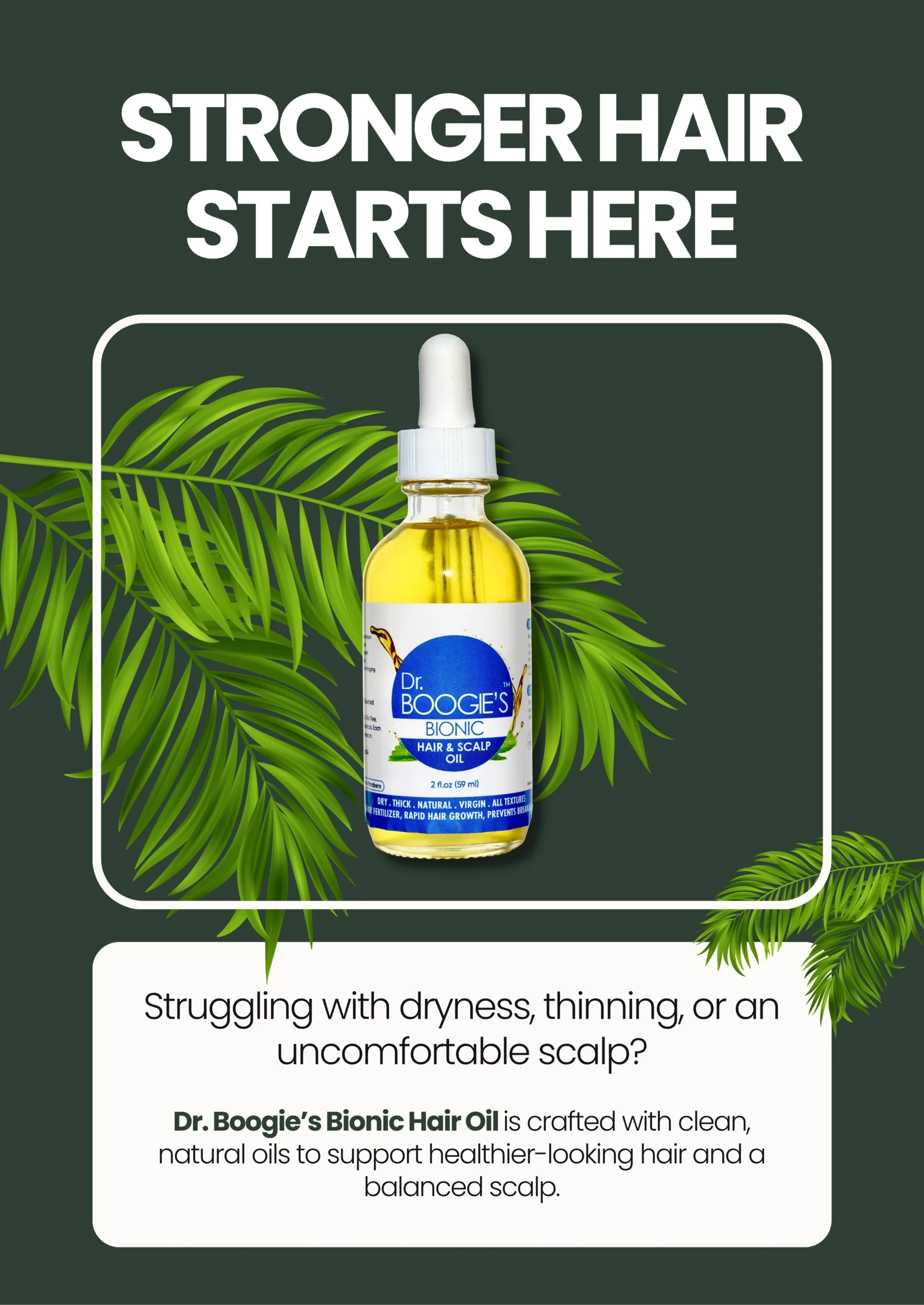
Bring a legacy of Hollywood-level care into your routine with Dr. Boogie’s Bionic Hair and Scalp Oil.
This premium, handcrafted formula absorbs deeply without greasiness to hydrate dry strands,
reduce breakage, and support fuller-looking hair. Daily scalp massage helps stimulate circulation
while Black Jamaican Castor Oil strengthens roots, and Jojoba and Tea Tree oils maintain a calm,
balanced, itch-free scalp for long-term hair vitality.
Conclusion
Warm water does not stop hair growth. The real risk is excessive heat and rough handling, which can dry the scalp, lift the hair cuticle, and increase breakage. When you keep the water comfortably warm and treat your hair gently, your scalp feels better and your hair keeps more length.
If you want a simple upgrade, pair a warm, not hot shower routine with Dr Boogie Secrets. Massage Dr. Boogie’s Bionic Hair and Scalp Oil into the scalp for comfort, then smooth a tiny amount through the lengths to reduce dryness and breakage so your hair can look fuller as it grows.