If you have ever noticed extra hair in your brush, more strands in the shower, or hair that feels dry and rough, it is normal to try and find a simple fix to the problem. People often hear “drink more water” and wonder if that alone can make hair grow faster. The truth is, the idea of hydration can improve the scalp health as well as the quality of the strands, but growing hair is a bigger picture than one can imagine.
Water can support the scalp and the quality of the hair you grow, but it is not a magic switch which drives faster growth overnight. Healthline notes that the human body consists of around 60 percent fluids, so when you are low on fluids, even your skin and scalp will be affected by it. Keep reading to learn what drinking water can actually do for hair growth, what it cannot do, and the simple steps that make hydration work in your favor!

The Impact of Water Intake on Hair Growth
Drinking water allows your body to function properly and that is important for hair as well. Your scalp is skin and skin requires water to stay comfortable and balanced. When your body is dehydrated, it protects more important organs first, and your hair and skin can feel the effects.
But hydration does not have any direct way of altering your genetics or hormones. So if someone is suffering from pattern hair thinning or a medical cause of hair loss, water alone will not fix it. Water only creates a better environment for healthy looking hair, but still requires other building blocks to truly thrive.
The Role of Hydration in Scalp and Hair Health
Hydration supports your blood volume and circulation, which assists delivery of oxygen and nutrients throughout the body. Your hair follicles are dependent on that constant supply. When you have low hydration, your scalp may experience tightening, dryness, and irritation, which can make hair care feel harder.
Water is also important to support the scalp barrier, which is the protective layer in the scalp keeping moisture in and irritants out. When the barrier is strong, then the scalp feels calmer, as well as the flakes disappear, and hair tends to feel softer at the root. That does not mean water makes hair grow faster, but it can help your hair grow in a healthier condition.
Effects of Dehydration on Hair Texture, Shine, and Strength
Dehydration often shows up in how your hair feels, not just how it looks. Hair can become rough, frizzy, and difficult to manage. Some people tend to develop more tangles which leads to more pulling and snapping.
Dryness can also cause your hair to look less shiny as the cuticle or the outer layer of the strand, does not lie as smooth. By raising the cuticle, the hair poorly catches the light and appears coarse. Over time, this can lead to increased breakage, especially if you use excessive heat styling tools, tight styles, or harsh washing.
Signs Your Hair and Scalp May Be Lacking Proper Hydration
Hydration problems are sometimes not obvious and many people take “just bad hair days” for granted. Here are some signs of low hydration that are common among people:
- Your scalp feels tight, itchy, or uncomfortable often
- Hair feels rough and gets tangled easily
- You see more frizz and less shine than usual
- Strands snap when brushing, especially at the ends
- Your scalp produces oil but still feels dry underneath
- Flakes become apparent after using hot water or during heat styling
- Hair appears flat and has a dull look even after being conditioned
Water vs Nutrients: What Hydration Can and Cannot Do for Hair Growth
Water helps your body absorb and transports nutrients, but water is not a substitute for nutrients. Hair is built from protein and needs sufficient calories and important nutrients for it to grow properly. If your diet is lacking key elements, your body will slow down hair growth or shift more hair into the hair shedding phases.
Hydration can help your scalp feel better and can minimize dryness related breakage, which makes your hair look fuller since there are fewer strands snap. But if you are experiencing sudden heavy shedding, patchy loss, or hair thinning that continues to progress, it is wise to consider other factors besides water. In such cases, consult a dermatologist to find out the main trigger behind it.

Supporting Hydrated, Healthy Hair with Proper Scalp Nourishment
Hydration works best when it is paired with gentle hair care and smart nourishment. Use these simple habits to support hydrated hair without making things complicated:
- Drink water consistently instead of chugging all at once
- Aim for pale yellow urine as a simple hydration clue
- Include protein at meals to support hair structure
- Eat foods with healthy fats like nuts, olive oil, and avocado
- Use a gentle shampoo and avoid very hot water
- Condition well and focus on mid lengths and ends
- Limit heat styling and use lower heat when possible
- Choose protective styles that do not pull the hairline tight
- Detangle slowly with a wide tooth comb to reduce snapping
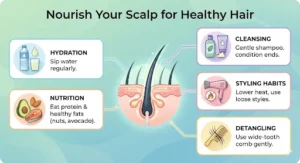
Small daily habits like these work together to support scalp comfort and hair strength over time. When the scalp stays nourished and hair is treated gently, hydration is easier to maintain and hair feels healthier, smoother, and more manageable.
When Hydration Alone Isn’t Enough for Stronger, Fuller Looking Hair
Sometimes you can do everything right when it comes to water and still feel stuck. That is because hair has a growth cycle and there are many factors that interrupt this cycle. The causes could be stress, illness, hormonal changes, thyroid disorders, iron deficiency, and certain medications.
Also, certain scalp conditions require specific treatment, not just moisture. If you have redness, thick scale, burning, pain, or sudden shedding, it is worth speaking to a dermatologist. The goal is not to panic, but to stop guessing. The point is not to panic, but to stop guessing. Water is good for you, but it is not a substitute for appropriate diagnosis and care in the presence of a bigger problem.
Conclusion
Drinking water can help your hair look healthier by helping your scalp maintain a comfortable feeling, improving the moisture balance to help minimize hair dryness associated breakage. But water alone does not cause one to grow new hair or correct genetic thinning, nutrient deficiencies, or scalp disease. The best results come from constant hydration plus good nutrition, gentle cleansing, and habits that protect the strands from friction and tension.
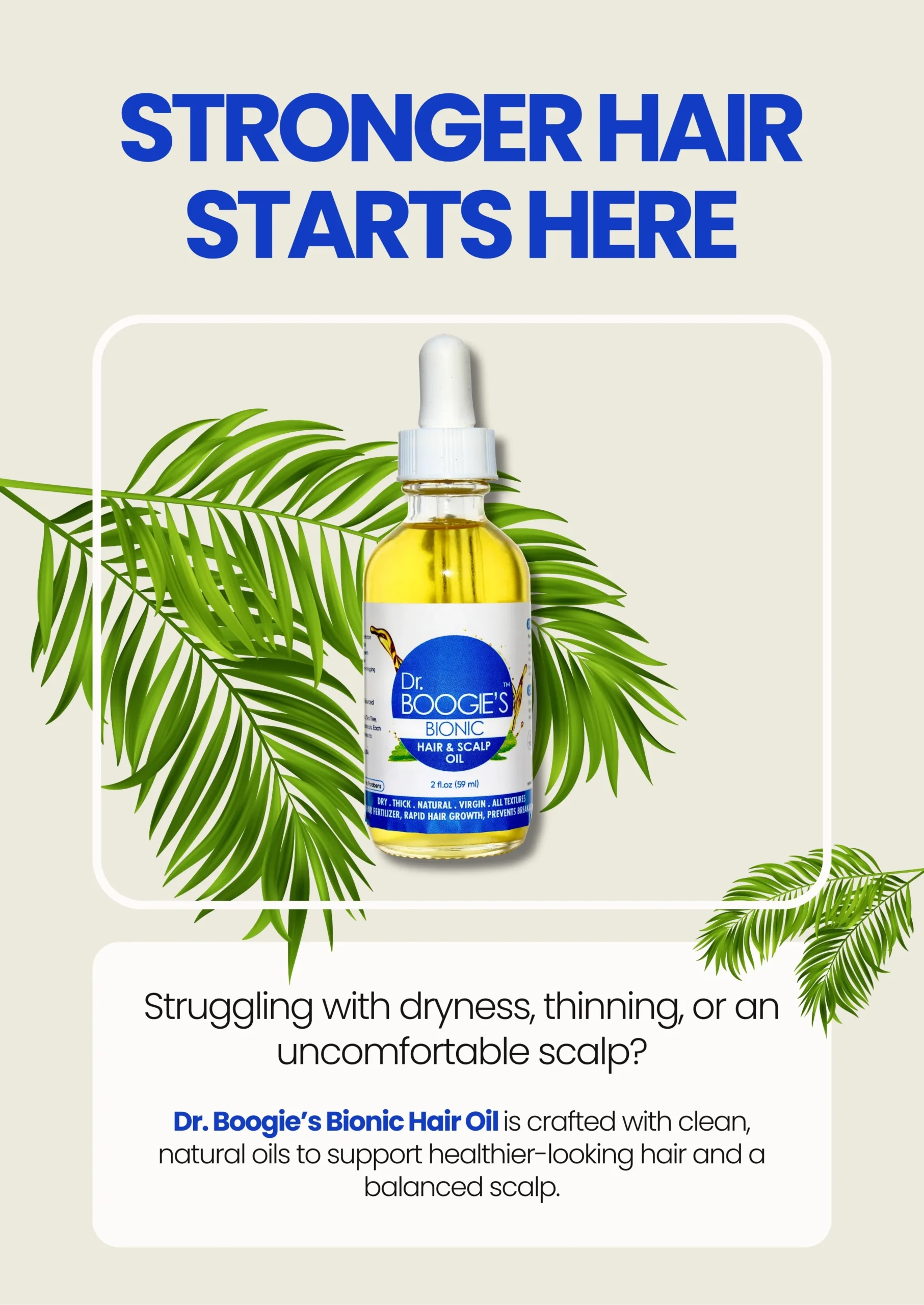
If your scalp is still feeling dry or itchy even after you have improved hydration, then you need the targeted support from Dr Boogie Secrets. Try Bionic Hair Oil to lock in moisture and enhance scalp balance, that would make your hair healthier, smoother, stronger, and fuller over time.