Hair lice do not directly cause hair loss, but they can lead to temporary hair shedding and breakage due to constant itching and scalp irritation. Lice needs your hair to be alive, so they will stay on the scalp where it is warm and easy for them to spread. They live close to the scalp, feed on blood, and use the shaft of the hair as the location of their egg attachments so they can complete their life cycle. If a louse falls off its host, it will only survive for less than one to two days because it can no longer feed.
If you have lice and you are also witnessing an increased amount of hair in your hairbrush, it is easy to assume that the lice are causing hair loss. In reality, the larger problem is what lice cause, constant itching, scratching, irritation of the scalp, and rough handling during treatment. In this blog, you will get to know what lice do to the scalp, if it can cause real hair loss, and some simple ways you can help your scalp recover once the lice are gone.
What Are Hair Lice and How Do They Affect the Scalp?
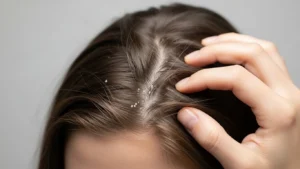
Hair lice are small lice insects that inhabit the scalp of the human body and are spread most commonly by close head contact. They crawl through hair and cannot hop or fly. Their eggs are called nits. Nits are tightly attached to the shaft of the hair often near the scalp region which is warm and helps them develop.
The major effect of lice is scalp irritation. Many people experience itching, tickling sensation, or lack of sleep since the scalp feels uncomfortable. Once you know you have lice and nits in your head, use a special comb or treatment to get rid of live crawling lice. However, leftover nits or shells might be left behind for some time even if the infestation is handled.
Is Hair Loss From Lice Temporary or Permanent?
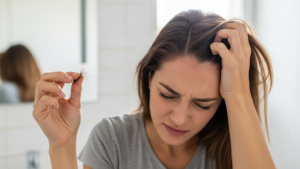
Most of the changes to the hair experienced due to lice are temporary. If the problem is breakage caused by scratching or rough combing, those strands can grow back because the follicle is still healthy. If you observe extra hair shedding, it often settles down once the scalp is calm again.
Permanent hair loss due to lice is rare but it is possible in extreme situations. If scratching is intense and persistent for a long period of time, the skin can break and become infected. Severe infection of the scalp associated with pediculosis has been described as a rare cause of hair loss with scarring and requires immediate medical attention.
How Scratching and Scalp Irritation Contribute to Breakage
It helps to think of hair like a thread that can snap when it is rubbed again and again. Scratching creates friction on the hair shaft and inflammation around the follicle at the same time. When you stop the scratch cycle, you often stop the hair damage cycle too.Scalp inflammation can disturb the normal hair growth cycle and push more hairs into shedding. Once itching stops and the scalp heals, hair usually returns to its normal pattern.
• Nails scrape the scalp and roughen the hair near the roots
• Repeated rubbing weakens the hair shaft so it snaps more easily
• Scabs can form and hair can break when scabs lift off
• Tight ponytails used to hide lice can add extra pulling stress
• Strong products or over washing can leave hair dry and brittle
Conclusion
Hair lice do not cause actual hair loss, but they can make hair look thinner. The scratching and itching may cause hair to break and the person’s scalp to become inflamed even though the hair may break or in some cases even become infected if the affected skin doesn’t heal. Once lice are treated and the scalp calms down, most people experience less shedding and breakage with better hair health.
If you wish to get rid of the discomfort to your scalp and your roots to feel stronger, try to be gentle and consistent. Explore Dr. Boogie Secrets Biotic Hair and Scalp Oil as your daily support for adding moisture to your hair, itch relief, and healthier looking hair that can thrive after the lice phase is over. The good news is that hair changes linked to lice are usually temporary. With gentle care and a calm scalp environment, hair can regain strength and thickness over time.