Saunas have long been associated with relaxation, detoxification, and improved circulation. From professional athletes to wellness enthusiasts, many people swear by regular sauna sessions for better overall health. In recent years, though, the dialogue has evolved from general body wellness to pinpointed beauty rewards. Now, a common question in the wellbeing community is: Can Sauna Use Cause Hair Loss?
If you’re a sauna enthusiast or it is part of your self-care routine, you may have heard that the extreme heat can reactivate hair follicles. But, as with any beauty treatment that subjects the skin to extreme temperatures, there is a line between therapeutic benefits and harm. In this guide, we’re talking about the science of what sauna heat does to your scalp, the kinds of saunas there are, and how you can protect your mane while you break a sweat.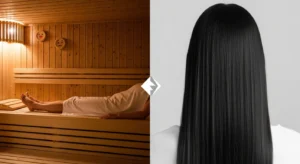
How Sauna Heat Impacts Scalp Blood Circulation
The most substantial evidence for sauna-driven hair growth is said to be through vasodilation. Your internal temperature rises when your body reaches the high temperatures of a sauna, usually between 150°F and 195°F in a traditional finish setting. To lower its temperature, your body dilates blood vessels near your skin.
This increased blood flow is significant to the scalp. The hair follicle is among the most metabolically active structures in the body, yet it sits at the very tip of a blood vessel branch. A hair follicle needs a steady stream of oxygen and nutrients (an array of amino acids, vitamins, and minerals) that it gets from the blood to grow a strong, healthy strand. When you sit in a sauna, you’re essentially powering up the delivery system to your scalp. This brief increase in blood flow can feed dormant follicles and the anagen (growth) phase of the hair cycle. The heat itself doesn’t actually create the hair; it enhances the environment in which the hair is born.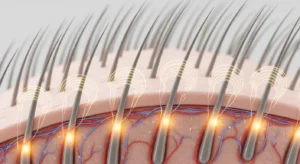
The Role of Sweating: Scalp Cleansing vs. Dehydration
Sweating is the body’s natural cooling mechanism, and in a sauna, you can lose up to a pint of sweat in a short session. This process has a dual effect on hair health.
The Benefit: Pore Detoxification
You have over 100,000 hair follicles, each with a sebaceous gland and a sweat duct. Over time, they can fill up with sebum, dead skin cells, and product buildup. The closed follicles can become inflamed, and the hair might even grow in a condition called stunted growth. This is where the extensive sweating that a sauna produces can help massage your pores from the inside out, which, in turn, may be just what your scalp needs for its very own deep-cleaning facial.
The Risk: Salt and Dehydration
But sweat is mostly water and salt. The water in the salt mixes with the heat in the sauna, leaving you with salty hair and scalp. Salt is hygroscopic, meaning it pulls moisture from the environment. When sweat remains on the hair, it causes a dry, itchy scalp and weak hair strands. And if you’re water-deprived on the inside, the sauna will sap moisture from your tissues, including your hair, making it straw-y and breakage-prone.
Infrared vs. Traditional Saunas: Which is Better for Hair?
Not all saunas are created equal, and the way they heat your body can change the impact on your hair.
- Traditional Finnish Saunas: In a traditional sauna, a burner or heater warms the air around you (often with stones) to produce that roaring heat. This creates an extremely high, dry heat. With the air already warm, your hair’s cuticle is at risk of baking if not properly shielded.
- Infrared Saunas: Infrared saunas heat your body directly with infrared light, with far less warming of the air around you. The lower temperatures (typically between 120°F and 150°F) make it a favorite for hair health. Because the heat penetrates deeper into the tissue (rather than just cooking the surface of the skin), you might experience some circulatory benefits without as much risk of singeing hair fibers.
Does It Actually Accelerate Growth? The Evidence
There is no direct clinical evidence that using a sauna alone makes your hair grow any faster than the usual half-inch per month. That’s not what the sauna does; it supports scalp health. It ensures quality hair growth. When the blood is flowing and you are properly cleansing the pores, you will ensure that the hair produced is top quality. It’s like a garden, though a sauna doesn’t grow crops at 2x speed; it heats up and removes the garbage from the soil so that plants don’t wilt or snap early. Many users often ask does hair fall mean new hair growth when they notice changes after improved circulation.
Potential Risks: When Heat Becomes the Enemy
While the benefits are tempting, high heat can damage hair’s structure. Hair is made of a protein called keratin. When keratin is exposed to extreme heat without moisture, the hydrogen bonds that hold the hair’s shape together can weaken.
- Cuticle Damage: The outer layer of the hair (the cuticle) can lift or crack in high heat, leading to moisture loss.
- Color Fading: If you have color-treated hair, the heat can cause the hair shaft to expand, allowing color molecules to escape more easily.
- Scalp Irritation: For those with sensitive skin or conditions like seborrheic dermatitis, the combination of heat and sweat can trigger flare-ups.

Practical Recommendations: How to Protect Your Hair
You don’t have to choose between your sauna habit and your hair health. By following these steps, you can enjoy the sweat while keeping your mane intact.
The Pre-Sauna Shield: Never go into the sauna with bone-dry hair. If you’ve got dry hair to start with, that sauna’s going to suck out whatever moisture was left. Before you put it on, wet your hair with fresh water and create a protective barrier. Applying a thin layer of oil can form a film that prevents heat from stripping your hair’s natural oils.
Wrap It Up: In a conventional sauna, the air is hottest at the top of the room. A sauna hat has your hair wrapped under a moist, thin cotton towel. This protects the outer layer of your hair from really high heat, keeping it that much cooler around your strands.
Hydrate Internally: Hair health starts with hydration. Drink water by having at least 16 ounces before your session and another 16 ounces afterward to help your body stay hydrated. If you’re dehydrated, your hair is the first to betray you.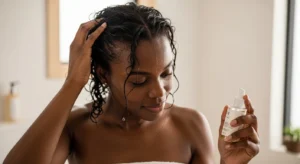
| Step | Action | Why? |
|---|---|---|
| Pre-Session | Dampen hair + apply oil. | Creates a moisture barrier. |
| During Session | Wear a cotton towel or hat. | Insulates hair from high heat. |
| Post-Session | Rinse with cool water. | Removes salt and closes cuticle. |
Dr. Boogies Hollywood Secret
A sauna can be great for relaxation, but the heat can leave your scalp tight. Using Dr. Boogie’s Bionic Hair and Scalp Oil after your session helps replenish lost moisture and soothe salt-related irritation. It is also a good idea to consider does milk really help hair growth as a nutritional partner to your external sauna routine.
The Golden Hour: Post-Sauna Recovery
The most critical period is after you leave the sauna. Your pores are open, and your circulation is at its peak. According to the American Academy of Dermatology, gentle handling of the hair after exposure to stressors is vital. Rinse out all the salt with cool water immediately. Once clean and damp, applying oil helps restore the balance and nourishes delicate tissues against heat damage.
Rehydrate & Protect
Boost circulation without the brittleness. Our Bionic Oil helps your scalp recover from extreme heat and sweat.
Conclusion
So, does the sauna help hair growth? Indirectly, yes. By promoting a clean, well-circulated scalp environment, saunas can be a powerful tool in your hair-care routine. The increased blood flow ensures your follicles receive the nutrients they need, while sweating helps detoxify the scalp. However, the key is protection. Without a protective barrier, the sauna can quickly turn into a “hair desert.” By incorporating the right pre-care and post-care, you can harness the benefits of the sauna to support a healthy hair-growth journey.