Water spraying on hair is one of the most common daily practices in hair care. People use it to refresh curls, smooth frizz, reshape bed hair, or make detangling easier. Because hair always looks better right after a water spray, many people wonder if this simple practice can also help hair grow faster.
The short answer is that a water spray can help hair health in a useful way, but it is not a direct hair growth treatment. Hair grows from follicles in the skin and has growth cycles, while scalp care is important and can help prevent certain types of hair loss. Read on to find out what a water spray actually does, what it doesn’t do, and how to use it in a way that helps promote healthier hair.
Understanding Hair Growth and Scalp Function
Hair grows from follicles embedded in the skin, with the follicle being the container that holds the root and hair. This explains why the follicle goes through a cycle of growth and rest, which leads to the production of hair in the first place.
Remember that you are applying water to the hair, mostly to the hair shaft and the surface of the scalp. A spray can make your hair feel better and behave better, but it won’t necessarily move the growth cycle of the follicle. This means that hair can feel softer after a spray treatment but won’t necessarily grow faster immediately.
The Role of Hydration in Hair Health
Hydration is what determines how your hair will look and feel. Dry hair will be brittle, prone to tangling, and difficult to style. A light mist of water can temporarily improve flexibility and make strands easier to separate, reducing the need for rough handling.
Scalp hydration matters too. Dry scalp occurs when the skin on your scalp dries out, causing itchiness and flaking. If your scalp is feeling tight or irritated, you may find yourself scratching it more or washing your hair too frequently, and this can make hair care even more frustrating and damaging in the long run.
Does Spraying Water Directly Stimulate Hair Growth
While spraying water on your scalp may not stimulate hair growth in the way many people hope. Water won’t address hormone imbalances, nutritional deficiencies, stress-related shedding, or genetic loss. It also isn’t an effective hair growth medicine.
What it can do is help you maintain a better routine. If a light spray helps you detangle more gently, restyle without heat, or reduce breakage, you can retain more length. That can make it look like it is growing faster, even though the real change is that fewer strands are snapping.
Water and Hair Breakage Prevention
Water can be used to prevent breakage, but only in conjunction with gentle handling. The goal is to help the hair, not to drench it and pull through knots. Wet hair is fragile, so keep these tips in mind:
- Dampen very dry or tangled hair slightly before detangling to make the process easier.
- Use a wide-tooth comb, working from the ends up very slowly to avoid pulling and breaking.
- Add conditioner or a detangling agent if necessary, as water alone may not be enough to help with knotty hair.
- Gently pat or wrap your hair to absorb excess moisture instead of rubbing it with a towel, which can cause more breakage.
- Refrain from vigorous brushing after spraying, as wet hair is more prone to stretching and breaking if handled roughly.
Can a Dry Scalp Slow Hair Growth
Having a dry scalp doesn’t necessarily mean that hair follicles won’t be able to produce hair, but it can make it more difficult to maintain good hair habits. When the scalp is itchy and flaky, people tend to scratch, pick, or overuse stronger products, which can make the irritation worse.
According to the Cleveland Clinic, dry scalp is a moisture loss problem that can cause itching and flaking, and it says that taking good care of the scalp can help prevent some types of hair loss. While spraying water alone isn’t a solution, scalp comfort is still important because it helps with good care.
Plain Water vs Salt Water Sprays
Plain water and salt water sprays are not the same thing. Plain water is mostly for temporary moisture, refreshing styles, and making it easier to style hair. Salt water sprays are usually styling products that give texture, grip, and volume to hair.
While the textured look may be good for some hairstyles, it’s not the same as giving hair moisture. On dry or damaged hair, salt water sprays may make hair feel drier or stiffer if used too often. If you want softer hair and less breakage, plain water is probably the gentle choice, while salt water sprays are better as a special styling treat.
Can Over Spraying Water Weaken Hair
Yes, it can happen if hair is repeatedly made wet and then handled roughly. Continuous misting, restyling, brushing, and then tying back the hair can cause friction throughout the day. This can cause tangling and breakage over time, especially in dry, processed, or fragile hair.
Too much spraying can also cause buildup when it comes into contact with creams, gels, and oils without proper washing. The hair can then become sticky and matted instead of moisturized. Then people tend to brush their hair harder or shampoo it more, leading to even more damage.
Spraying Water vs Drinking Water for Hair Growth
These two habits work in different ways. One is good for the exterior of the hair and scalp, while the other is good for your body from the inside out. Let’s compare both of them side by side:
| Comparison Point | Spraying Water on Hair or Scalp | Drinking Water Regularly |
| Where it works | On the hair shaft and scalp surface | Inside the body |
| Main benefit | Adds temporary moisture and helps restyling | Supports overall hydration and normal body functions |
| Effect on hair follicles | Does not directly stimulate follicles | Does not directly stimulate follicles by itself |
| Best use | Refreshing hair, easing detangling, reducing friction | Supporting general health and skin hydration |
| Helps with dryness | Helps surface dryness for a short time | Helps body hydration, which may support skin and scalp health overall |
| Helps with breakage | Can help if it reduces rough detangling and friction | Indirect support only, not a direct breakage fix |
| Scalp comfort | May give temporary relief if scalp feels dry | Supports overall hydration, but not a direct scalp treatment |
What Actually Supports Healthy Hair Growth
Healthy hair growth requires protecting your hair and addressing the actual cause of hair loss. Hair grows in cycles from the follicles, and thus, changes take time to notice changes, and home remedies alone won’t address the underlying cause.
The most effective way is to adopt a holistic remedy: take care of your scalp, eat healthy, focus on protein, get adequate sleep, manage stress, and consult a doctor if your hair loss is sudden, extreme, or persistent.
Maintaining Moisture Without Causing Damage
The best and easiest way to address dryness is to balance moisture. Water is helpful, but it dries quickly. Many people find that a light spray followed by a conditioner, leave-in cream, or a small amount of oil on the hair length works better to keep the hair soft for a longer period of time.
Keep in mind that the routine should be simple and regular. Spray when your hair needs reshaping or easier detangling, not just as an automatic habit every hour. If your scalp is itchy, flaky, and irritated despite home remedies, it is best to get a proper diagnosis rather than continue spraying.
Go Beyond Water for Lasting Moisture
If water alone only provides temporary relief and dryness keeps returning, a well-balanced
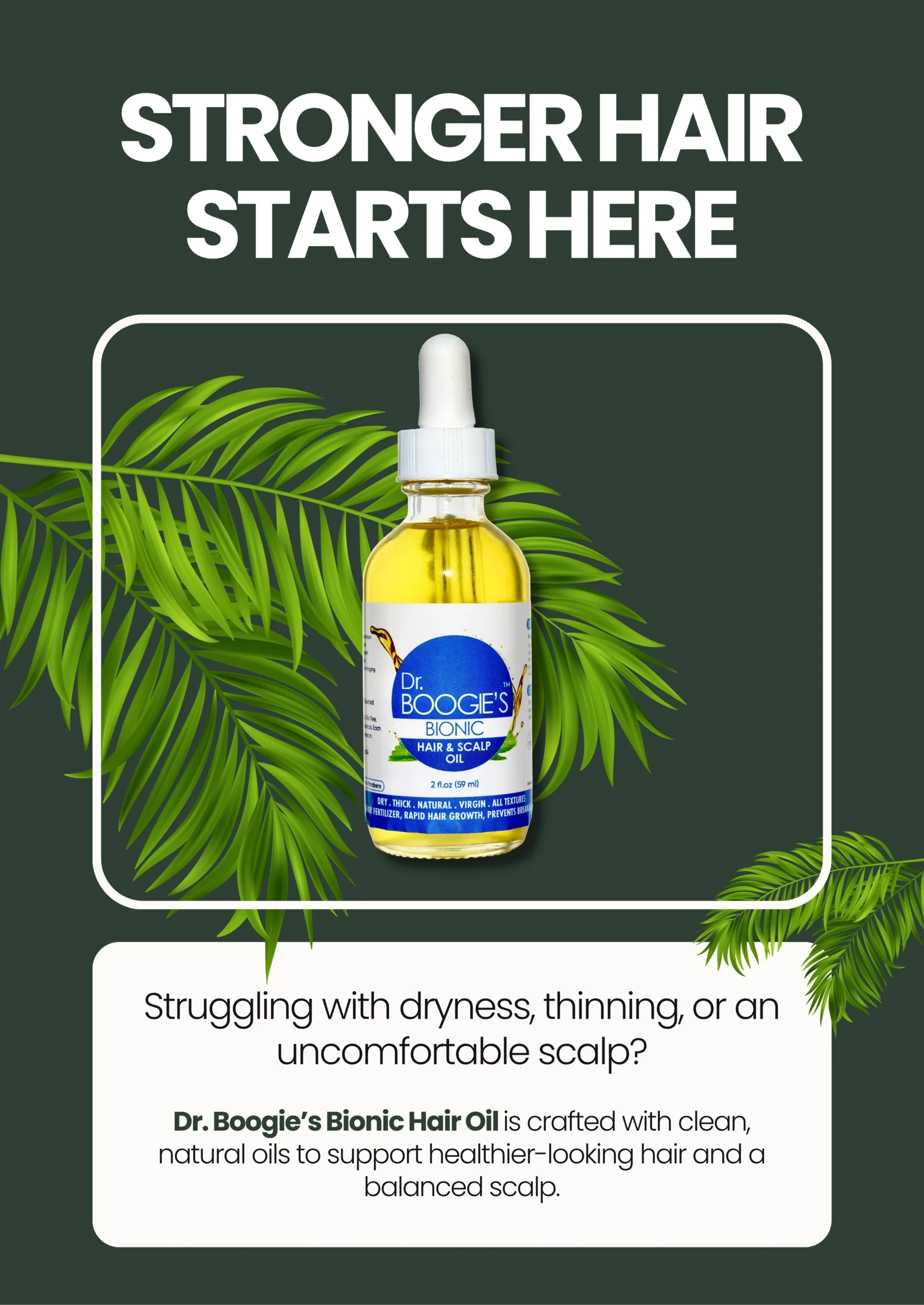
botanical oil can offer longer-lasting support. Dr. Boogie Secrets Bionic Hair and Scalp Oil
blends globally sourced oils to help restore moisture, calm dryness and itchiness, and improve
manageability without leaving greasy buildup. With Black Jamaican Castor Oil to support
stronger-looking roots, Jojoba Oil to help balance scalp moisture, Tea Tree Oil to ease flakes,
and botanical extracts for added softness and shine, it helps create a healthier-looking
finish with just a few drops.
Conclusion
While spraying water on your hair may be refreshing and help with a gentle hair care routine, it won’t help your hair grow faster. It’s more of a quick fix to help with texture and styling and help reduce breakage if done correctly.
To get better results, focus on making your scalp comfortable and using products that help lock in moisture without causing damage. Consider incorporating Bionic Hair and Scalp Oil from Dr. Boogie Secrets into your daily routine to help keep your hair stronger and looking healthier.