Apple cider vinegar (ACV) has been used as a folk remedy for digestion, skin health, and more recently, hair growth. Social media is flooded with claims that drinking ACV daily can make your hair stunning, but beauty communities are divided. Does apple cider vinegar actually make your hair grow? The answer involves untangling its internal effects versus its topical benefits on the scalp environment.
What Is Apple Cider Vinegar?
ACV undergoes a two-stage fermentation process where crushed apples are converted into acetic acid: the main active compound responsible for its sharp odor. Unfiltered versions contain “the mother,” a collection of beneficial bacteria and enzymes. While some people explore elderberry for hair growth as a nutrient-dense option, ACV is primarily used for its pH-balancing and antimicrobial properties.
How ACV Affects the Body Internally
To evaluate if drinking ACV supports growth, we must look at its systemic roles:
- Blood Sugar Regulation: Taking ACV with meals can help mitigate glucose spikes, which is beneficial for overall metabolic health.
- Nutrient Absorption: By supporting digestive acidity, ACV may help the body absorb hair-essential minerals like iron and zinc more effectively.
- Antimicrobial Properties: Acetic acid helps balance the gut microbiome, which is linked to lower levels of systemic inflammation.


Drinking vs. Applying: Which is Better?
When it comes to hair specifically, topical application is much better substantiated. Drinking ACV involves a lengthy chain of absorption and metabolism before nutrients reach the scalp. In contrast, a topical rinse provides immediate benefits to the scalp surface. If you are debating between internal vs external care, remember that ingredients like avocado for hair growth provide structural lipids when applied, similar to how ACV provides immediate pH correction.
How to Use ACV on Hair Safely
For topical use, ACV must always be diluted. Undiluted vinegar is far too acidic for direct skin contact.
| Method | Ratio & Timing | Best For… |
|---|---|---|
| Post-Shampoo Rinse | 2-4 tbsp per cup of water (1-3 mins) | Restoring shine and closing the hair cuticle. |
| Scalp Treatment | Spray bottle application (5-10 mins) | Targeting dandruff and removing product buildup. |
Dr. Boogies Hollywood Secret
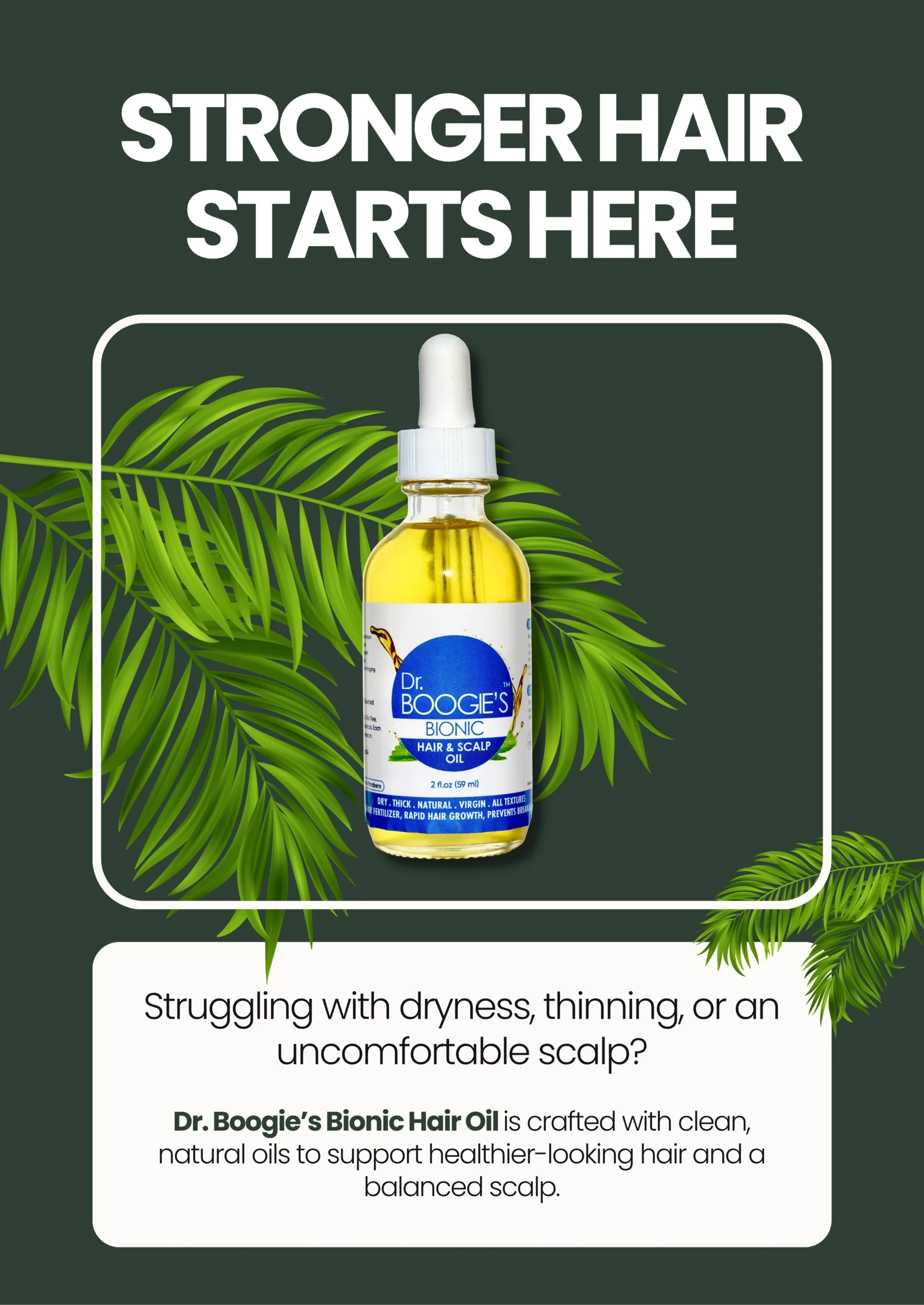
While ACV clears the surface and balances pH, deeper nourishment requires a leave-in botanical boost. Dr. Boogie’s Bionic Hair and Scalp Oil complements ACV by delivering essential oils that penetrate deeper than a rinse. It’s an ideal follow-up to ensure your scalp stays moisturized after clarifying, especially if you have concerns about whether dreadlocks cause hair loss due to scalp tension or dryness.
Clarifying and Dandruff Reduction
ACV’s acidity helps dissolve buildup from dry shampoos and styling products. More importantly, it creates an environment less hospitable to Malassezia fungi: the primary driver of dandruff. For those wondering does hair fall mean new hair growth, it is important to distinguish between normal shedding and inflammation-driven loss caused by a congested scalp. ACV helps clear this congestion.
Restore Your Scalp’s Natural pH
ACV clears the surface; Bionic Oil nourishes the roots. Together, they create the perfect environment for healthy growth.
Conclusion
Does drinking ACV help hair growth? Not directly, but it may support systemic conditions like blood sugar and nutrient absorption that follicles depend on. However, its true value lies in topical application: clarifying the scalp, restoring pH, and controlling dandruff. Use ACV correctly and consistently as part of a broader strategy that includes proper hydration and questions like does milk really help hair growth to see the best results.