Ginger is one of those ingredients that involve natural health in teas for digestion, skin care for brightening, and now hair, where it’s finding its way into a growing number of products that promise stronger, longer, and faster-growing strands. Its warming, stimulating reputation has made it a staple in scalp treatments, hair oils and growth serums throughout the natural hair community.
What Is Ginger and Why Is It Used for Hair Care
Ginger (Zingiber officinale) is a flowering plant whose rhizome has been used in medicinal traditions for more than 5,000 years. In hair care, ginger’s allure is mainly due to its warming quality. When rubbed into the scalp, it causes a signature tingling sensation and mild heat that indicates vasodilation: the widening of blood vessels near the skin surface. This effect is believed to be the primary mechanism by which ginger supports follicle health.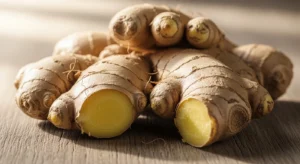
Nutrients and Compounds in Ginger That May Support Hair
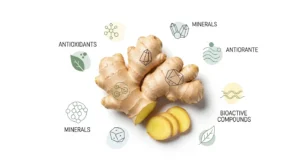
Unlike many botanical ingredients, ginger’s chemistry is well-studied. Its key bioactive compounds include:
- Gingerols: Responsible for the spicy taste, these have anti-inflammatory properties that block pro-inflammatory cytokines: signaling molecules that drive chronic thinning.
- Shogaols: Formed when ginger is dried or cooked, these provide potent antioxidant effects to protect follicle longevity.
- Zingerone: Helps protect cells against oxidative stress, crucial for maintaining a healthy growth environment.
- Minerals: Provides magnesium, potassium, copper, and manganese to support enzymes involved in hair matrix cell processes.

How Ginger May Stimulate Hair Growth Through Scalp Circulation
Hair follicles are metabolically active and require consistent oxygen delivery. Ginger contains vasodilatory compounds that cause local widening of blood vessels. This increased blood flow delivers more nutrients to the dermal papilla. This is similar to how apple cider vinegar for hair growth works by clearing the surface, ginger works from beneath the skin to stimulate the roots.
Ginger for Hair Growth, Regrowth, and Hair Loss
It is important to manage expectations: ginger fails to target the underlying physiological mechanism for androgenetic alopecia (pattern hair loss) such as DHT-induced miniaturization. It is most beneficial when slow growth or increased shedding is due to poor scalp circulation or inflammation. For those worried about whether dreadlocks cause hair loss, ginger can be a useful tool to soothe the scalp and boost circulation in tight areas.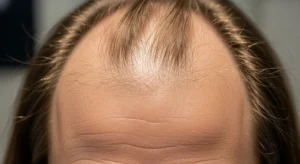
Topical Ginger vs. Drinking Ginger for Hair Growth
Topical application provides localized delivery of gingerols directly to the scalp, which is the most efficient pathway for hair benefits. However, drinking ginger tea supports systemic anti-inflammatory health. For a holistic approach, some people also consider does milk really help hair growth as a dietary source of protein alongside ginger’s circulation benefits.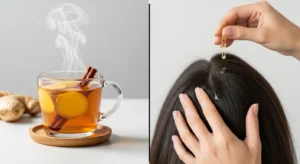
How to Use Ginger for Hair Growth
| Method | Preparation | Best For… |
|---|---|---|
| Fresh Ginger Oil | Infuse grated ginger in jojoba or coconut oil for 30 mins. | Deep scalp nourishment and circulation. |
| Ginger Juice | Dilute fresh ginger juice with equal parts water. | Potent, targeted stimulation for thinning areas. |
| Ginger Tea Rinse | Brew strong ginger tea and use as a post-shampoo rinse. | Sensitive scalps and gentle maintenance. |
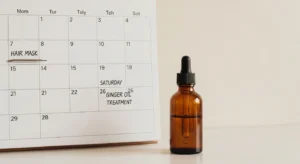
How Often Can Ginger Be Used on Hair
Frequency depends on your scalp sensitivity. For most types, ginger oil treatments 2-3 times per week are appropriate. Diluted juice treatments should be limited to once or twice per week, as they have higher bioactive concentrations. If you are also using avocado for hair growth, you can alternate these treatments for both lipid protection and circulatory stimulation.
Can Ginger Cause Scalp Irritation or Hair Damage?
Yes, and this is crucial: pure, undiluted ginger juice can cause burning, redness, or contact dermatitis. Always dilute ginger and perform a patch test. The risk is to the skin, not the hair shaft itself. For a safer, pre-balanced solution, many turn to professional serums.
Dr. Boogies Hollywood Secret
While ginger stimulates the surface, deeper nourishment requires a blend of botanicals that work in synergy. Dr. Boogie’s Bionic Hair and Scalp Oil complements ginger’s circulation boost by delivering lavender and Black Jamaican Castor Oil. It helps manage common concerns like does hair fall mean new hair growth by ensuring that every new strand emerges from a healthy, well-nourished follicle.
How Long Does Ginger Take to Show Hair Results
Managing expectations is key. While the warming sensation is instant, improvements in dandruff or scalp itchiness usually take 2-4 weeks. For visible changes in thickness or growth rate, evaluate your progress over a 3-6 month period, as hair only grows about half an inch per month.
Why Circulation Alone Is Not Enough for Hair Growth
Circulation is just one factor. Primary drivers like genetics, hormones, and nutrition operate at a level that topical stimulants cannot reach. If thinning is driven by iron deficiency or thyroid issues, no amount of ginger will compensate. For total care, consider adding nutrients like elderberry for hair growth to your diet to support the body’s internal biological processes.
Conclusion
Does ginger help hair growth? Yes, by ensuring a better supply of oxygen and nutrients to follicles through improved circulation. It also mitigates inflammation and dandruff that can damage the growth environment. However, it is not a cure for pattern baldness. Used with realistic expectations and as part of a holistic routine, ginger is a powerful natural tool for resilient, healthy strands.